
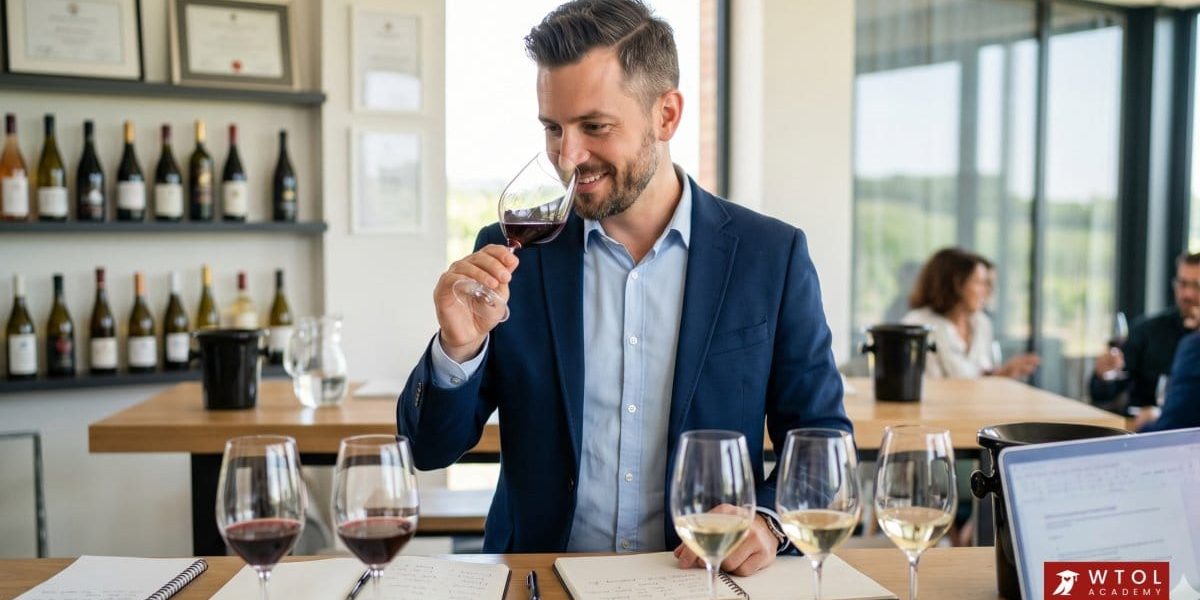
wWhat if you could transform that passion for a fine glass of Bordeaux or a refined Riesling into a daily reality where you get paid to share your knowledge? Many wine enthusiasts dream of a career in the wine world, but get stuck wondering if their hobby is serious enough for a career change. It’s perfectly understandable to feel daunted by the maze of training courses or to doubt if there’s a place for you outside the walls of a luxury restaurant. You’re certainly not alone in wondering where the line lies between an enjoyable course and a valuable professional qualification.
In this article, you’ll discover a clear overview of the professional landscape in the Dutch wine sector. We’ll remove the uncertainty surrounding various certifications and show you how to work step-by-step towards recognised qualifications. You’ll gain insight into diverse roles that extend beyond that of a sommelier, from wine buyer to account manager for the hospitality industry. We’ll outline a concrete path to transform your enthusiasm into professional authority and true mastery.
Key Points
- A successful career in the wine world begins with understanding the diverse roles, from hospitality and retail to commercial account management at importers.
- Discover the necessary educational steps, such as the officially recognised SVH Wine certifications, to grow from a passionate enthusiast to an expert professional.
- Learn how to elevate your professional competence by building a tasting portfolio and engaging in daily sensory training.
- Get practical tips for networking within the Dutch wine sector by visiting trade fairs and joining relevant industry associations.
- Understand the benefits of a flexible learning pathway that combines modern e-learning with the expertise of experienced tutors.
Table of Contents
What does a career in the wine world involve?
A career in the wine world is much more than just tasting fine bottles. It’s a dynamic field that sits at the intersection of hospitality, retail, and international trade. The wine world is buzzing. It’s a sector where tradition and innovation meet daily, from the authentic wine cellar to the fast-paced e-commerce environment. Those who choose this path enter a world where product knowledge is directly linked to commercial success and hospitality.
The step from enthusiastic consumer to professional advisor requires a shift in thinking. You don’t just learn what you personally enjoy, but you develop the skill to objectively assess the quality and commercial value of a product. Without recognised qualifications, it’s difficult to get into top companies nowadays. Informal knowledge is a good starting point, but employers look for proof of professional competence. At WTOL Academy, you’ll find various training courses that help you lay this professional foundation.
The different branches of the wine sector
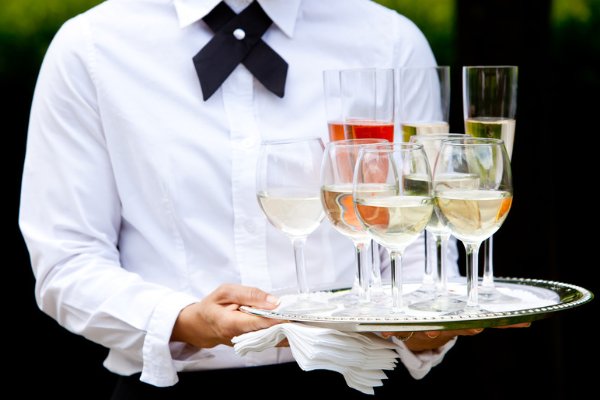
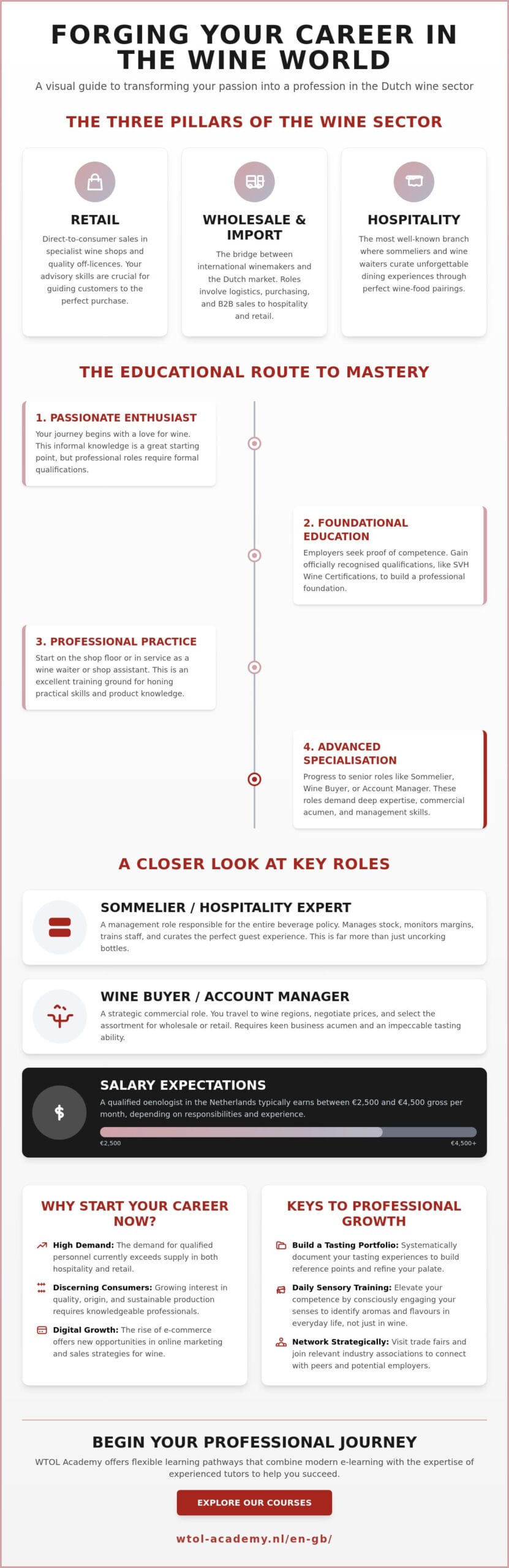
The sector can be broadly divided into three main pillars. In retail, such as a specialist wine shop or a quality off-licence, you are in direct contact with the consumer. Here, your advisory skills are crucial for sales. In wholesale and import, you act as the bridge between the international winemaker and the Dutch market. You deal with logistics, purchasing, and B2B sales. Hospitality is perhaps the most well-known branch, where, as a sommelier or wine waiter, you ensure perfect wine-food pairings and an unforgettable dining experience.
Why now is the time for a career in wine
Popular roles and functions within the wine sector
Most professionals begin their career in the wine world on the shop floor or in service. That’s an excellent training ground, but the landscape is much broader. You can specialise in commercial, educational, or highly technical roles. For those who want a broad overview of international opportunities, Careers in Winemaking offer a good starting point, although the emphasis in the Dutch market is primarily on trade and consultancy.
If you choose a commercial path, the role of wine buyer is often the highest achievable. You travel to wine regions, negotiate prices, and select the assortment that will be on the shelves in a year’s time. This requires keen business acumen and an impeccable tasting ability. Would you prefer to focus on knowledge transfer? Then a role as a wine educator at an institution such as WTOL Academy is a wonderful way to share your passion and train the new generation of professionals.
Working in retail versus wholesale
In retail, everything revolves around personal advice. As a shop assistant or manager of a specialist shop, you help customers find the perfect bottle for their dinner. Contact is direct and feedback is immediate. In wholesale, as an account manager, you often work more behind the scenes. You are the strategic partner for hospitality entrepreneurs and collaborate with them to curate the wine list. Salaries in these sectors vary considerably. A qualified oenologist in the Netherlands earns on average between €2,500 and €4,500 gross per month, depending on specific responsibilities and years of experience.
The role of the sommelier in modern hospitality
The modern sommelier is much more than someone who merely uncorks bottles. It’s a management role where you are responsible for the entire beverage policy. You manage stock, monitor margins, and train other staff. Synergy with the head chef is crucial here; together, you create combinations where the wine elevates the dish to a higher level. In 2026, the average gross monthly salary for a sommelier in the Netherlands is around €2,624. Those with ambition can progress to roles such as head sommelier or beverage manager at large hotel chains or Michelin-starred establishments. Do you want to know what qualifications you need to take these steps? Then take a look at the various recognised wine training courses that form the foundation for your success.
The educational route: from wine enthusiast to oenologist
A sustainable career in the wine world isn’t built solely on a passion for tasting. It requires a structured approach and tangible proof of professional competence. In the Netherlands, SVH-accredited training courses are the absolute standard. Employers in hospitality and the wine trade place great value on these qualifications because they offer a guarantee of a uniform and high level of knowledge. The route is logically structured, allowing you to gradually increase your expertise.
Step 1: SVH Wine 1. This is the starting point where you lay the foundation. You learn the most important professional terminology and gain insight into the most common grape varieties.
Step 2: SVH Wine 2. Here, the depth increases. You delve into international wine regions and learn how climate and soil influence the taste of wine.
Step 3: SVH Wine 3 (Wine Certificate). This qualification is the standard for anyone serious about working in the specialist trade. It provides the theoretical basis required for professional advice.
Step 4: SVH Oenologist. This is the highest level of mastery. You train your senses at an analytical level and learn to blind taste and interpret complex wine styles.
The importance of official certification
What employers immediately look for on a CV is the SVH stamp. It shows that you not only love wine but also possess the discipline to pass an official examination. For many commercial roles at importers, SVH Wine 3 is the minimum requirement. Without this qualification, it’s difficult to progress to roles with more responsibility. Do you truly want to reach the top of the market? Then read more about becoming an oenologist for the ambitious student who isn’t satisfied with basic knowledge.
The mandatory aspect: social hygiene
Besides pure wine knowledge, there’s a legal side to a career in the wine world. If you work in a place where alcohol is served or sold, you’ll encounter the Alcohol Act. The social hygiene qualification is often a legal requirement. It demonstrates that you handle the serving of alcohol responsibly and know how to act in difficult situations. This qualification is essential for your employability across the entire sector. View the full explanation of social responsibility for professionals who want to start their career legally correctly.
Practical tips for finding your first job in wine
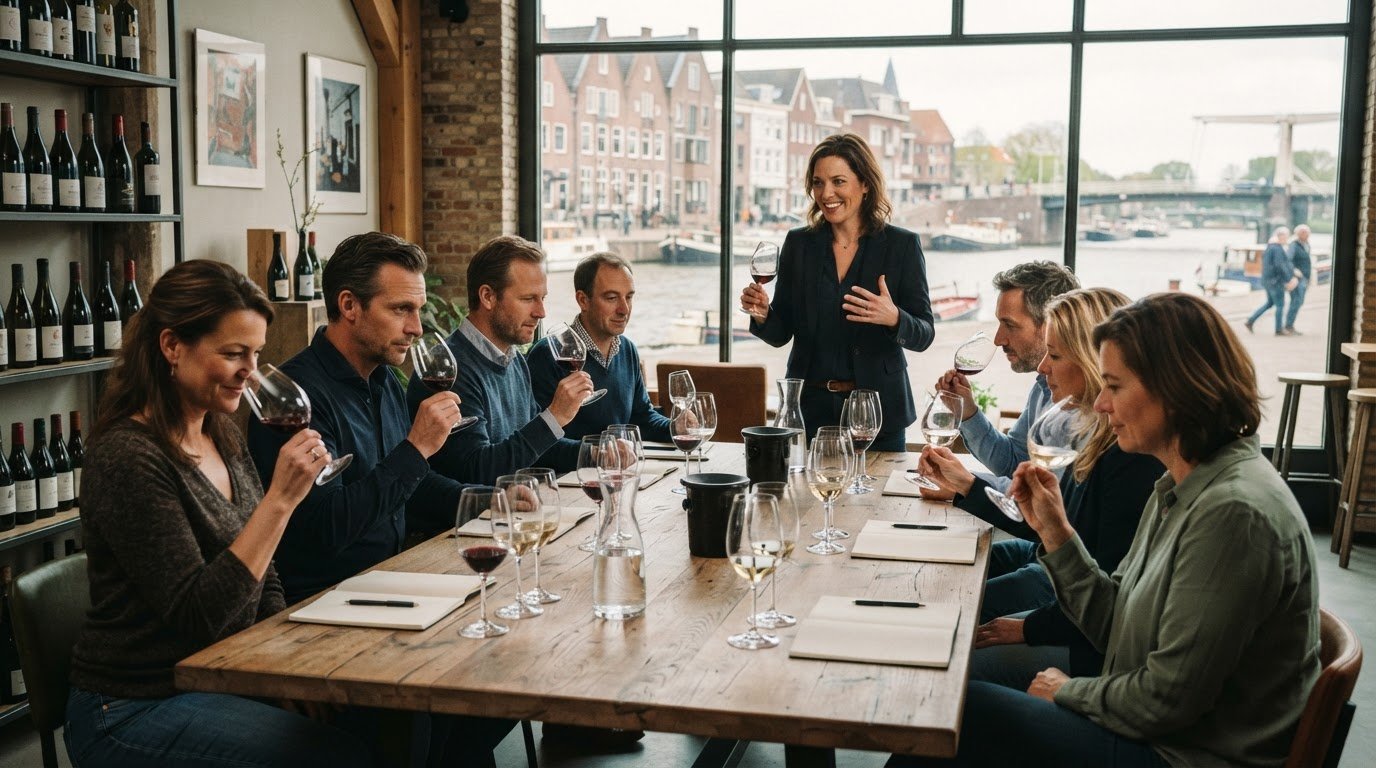
You’ve taken the first steps and expanded your knowledge, but how do you now convert that passion into a real job? A career in the wine world often begins with building a credible track record. Employers in the sector look beyond just smooth talk; they seek proof of dedication and a trained palate. An internship or part-time job in a specialist wine shop is the ideal way to gain experience. Here, you learn not only about the products but also how to translate complex flavours into understandable advice for the consumer. This kind of practical experience is invaluable when you later apply for more demanding roles.
Tasting like a professional
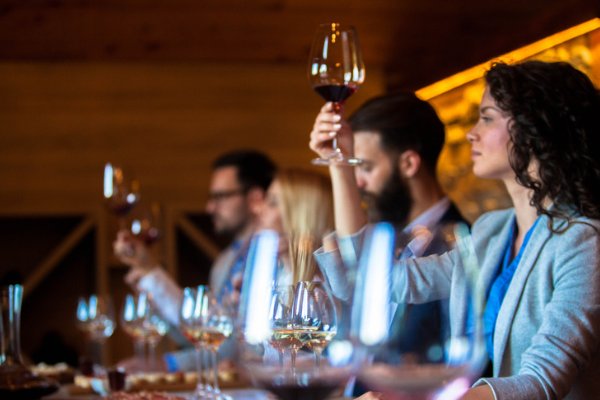
The most important instrument of any wine professional is their own senses. It’s essential to teach yourself to objectively assess wines using a systematic method. This means looking at the balance between acids, tannins, alcohol, and fruit, regardless of whether the wine is to your personal taste. Blind tasting is an indispensable part of your training in this regard. It forces you to let go of your preconceptions about labels and regions. When you are able to write clear, commercially relevant tasting notes, you immediately become more valuable to an employer. Good notes stimulate sales and increase customer satisfaction by ensuring the customer gets exactly what they expect.
Finding vacancies and entry points
The Dutch wine sector is relatively small, which means networking is crucial. Visit trade fairs, attend importers’ tastings, and make sure you’re seen. LinkedIn is a powerful tool; join specialised groups and follow major importers and retail chains. When making a speculative application, it’s smart to immediately highlight your obtained SVH qualifications. This assures an employer that you possess the correct basic knowledge and are immediately employable. A recognised qualification is often the decisive factor during your first job interview that distinguishes you from other candidates without formal training.
Do you want to immediately increase your chances in the job market and take that first step with confidence? Start today with one of the recognised wine training courses and build your professional future.
Your growth at WTOL Academy: the path to professional success
You now have a clear picture of the diverse opportunities and educational paths that lie ahead. The step from a passionate hobbyist to a respected specialist is a process of growth, discipline, and the right guidance. At WTOL Academy, we believe that a career in the wine world is accessible to anyone willing to invest in their own development. We therefore offer a curriculum that adapts to your ambitions and personal schedule. Whether you choose the interaction of traditional classroom lessons or the flexibility of modern e-learning, the quality of the course material remains consistently high.
Our strength lies in the direct link between theory and the challenging reality. You’ll be taught by experienced tutors who are themselves daily ‘in the thick of it’, or rather, in the vineyard and the trade. They know the challenges of the sector and share not only their knowledge but also their valuable network. Thanks to our close ties with the Stichting Vakbekwaamheid Horeca (SVH – Foundation for Professional Competence in Hospitality), your learning pathway aligns seamlessly with national examination requirements. This means you can come to us for your entire career, from your very first introductory course to the prestigious oenologist qualification. We are your partner in every phase of your professional success.
Why choose WTOL Academy?
In a constantly evolving market, professional competence is key. Employers in the Dutch wine sector seek individuals who are immediately employable and possess the correct qualifications. Our focus is therefore on teaching skills that you can apply on the job the very next day, whether that’s in a Michelin-starred restaurant or a specialist wine shop. With our national coverage, we offer access to officially recognised qualifications throughout the Netherlands. These certifications act as a quality stamp on your CV and open doors that remain closed to others. Discover our full range of training courses and determine which level suits your current goals.
Start your career path today
Waiting for the perfect moment is pointless; the best time to start is now. By enrolling in SVH Wine 1, you take the first concrete step and often discover talents you didn’t know you had. It’s an investment in yourself that pays off immediately in your market value within the wine trade. You’ll notice that your conversations with customers and colleagues gain depth and that you give your advice with more confidence. Make the definitive transition from enthusiast to a valued professional today. Your career in the wine world deserves a flying start at an institution that shares your passion and understands what it takes to reach the top.
Cheers to your new future as a wine professional
Transforming your passion into a serious career in the wine world is a journey that requires the right guide. We’ve seen that the professional landscape is much broader than just hospitality; from strategic purchasing at importers to expert advice in retail. The common thread to success, however, is the same everywhere: a solid foundation of officially recognised professional qualifications and a trained palate that looks beyond personal preference alone.
At WTOL Academy, we are ready to guide you from your first tasting glass to the level of oenologist. As an SVH-accredited training institute, we guarantee the highest quality of education, which is directly reflected in our high pass rates for national examinations. Our tutors bring their years of practical experience into the classroom to teach you the ins and outs of the trade. Through this, you invest not only in knowledge but also in a valuable network within the Dutch wine sector.
Are you ready to turn your hobby into a professional competence? View all SVH wine training courses and start your career today. We look forward to helping you achieve your ambitions and welcoming you to this wonderful craft.
Frequently Asked Questions
Do I need specific prior education to start in the wine trade?
No, you don’t need specific prior education or a qualification to take your first steps. Anyone with a passion for the product can start at the basic level, such as the SVH Wine 1 course. However, for advanced levels, such as training to become an oenologist, you usually need to hold the SVH Wine Certificate to ensure the entry level is met.
What is the difference between a sommelier and an oenologist?
The main difference lies in the working environment and the focus of expertise. A sommelier is a hospitality specialist who, in a restaurant, ensures perfect wine-food pairings and cellar management. An oenologist is a more broadly trained wine expert often working in trade, purchasing, or education, with a very strong focus on the analytical and technical assessment of wines from around the world.
How much does someone working in the Dutch wine trade earn?
Salaries vary greatly by role and experience. A sommelier in the Netherlands earns an average of €2,624 gross per month, whilst salaries for an oenologist typically range between €2,500 and €4,500 gross. Commercial roles such as wine buyer or experienced account managers at large importers can exceed these ranges, often supplemented with secondary employment benefits.
Is the SVH Wine Certificate mandatory for opening your own wine shop?
Legally, a wine qualification is not mandatory to start a shop, but in practice, it is indispensable for your credibility and advisory capacity. Do note that, according to the Alcohol Act, you will almost always need the social hygiene qualification if you sell alcohol. Without this qualification, you will not receive a licence to operate your business.
Can I pursue training to become a wine professional alongside my current job?
Absolutely, building a career in the wine world can be excellently combined with a current job. WTOL Academy offers flexible learning pathways, allowing you to choose modern e-learning that you follow at your own pace. Classroom lessons are also often scheduled to fit the timetables of working professionals.
What skills are important in the wine world besides wine knowledge?
Besides factual knowledge, commercial acumen and strong communication skills are essential. You must be able to translate the story behind the wine into a compelling sales argument or inspiring advice. Additionally, accuracy in stock management and a hospitable attitude are indispensable, whether you’re working in a shop or for an importer.
How long does the journey from beginner to oenologist typically take?
On average, the journey from an absolute beginner to a qualified oenologist takes between two and four years. This depends heavily on your own pace and the time you can invest in study and tasting. Each level, from SVH Wine 1 up to and including the Wine Certificate, forms a necessary building block for ultimate mastery.