

An investment in your professional knowledge is never purely an expense; it’s the foundation of your professional capital as a wine expert. Yet, it often remains a challenge to gain a clear understanding of the total wine expert further training costs for the year 2026. You probably recognise the frustration over unclear prices for tasting wines or the doubt as to whether an intensive wine trip to Bordeaux or Valencia truly pays off in your daily practice.
In this article, you’ll discover exactly what you invest in your further development and how to manage these costs smartly without compromising on quality. We offer you a complete and transparent overview of direct study costs and the often-overlooked indirect expenses you need to consider. Additionally, you’ll gain valuable insight into how tax benefits can support you in achieving your ambitions. By the end of this overview, you’ll make a powerful choice for a further training programme that not only fuels your passion but also significantly increases your business value as a wine expert.
Key Points
- Gain immediate insight into the price range for 2026 so you can accurately plan your budget for professional growth.
- Learn how to identify and manage hidden expenses, such as the purchase of tasting wines and examination fees, early on.
- Compare different programmes to discover which wine expert further training costs best suit your specific career goals.
- Discover practical ways to reduce your net investment through tax deductibility for entrepreneurs or subsidies within the hospitality sector.
- Understand why a hybrid learning format with e-learning and physical practical lessons is the most efficient route to new expertise.
What does further training for a wine expert cost on average?
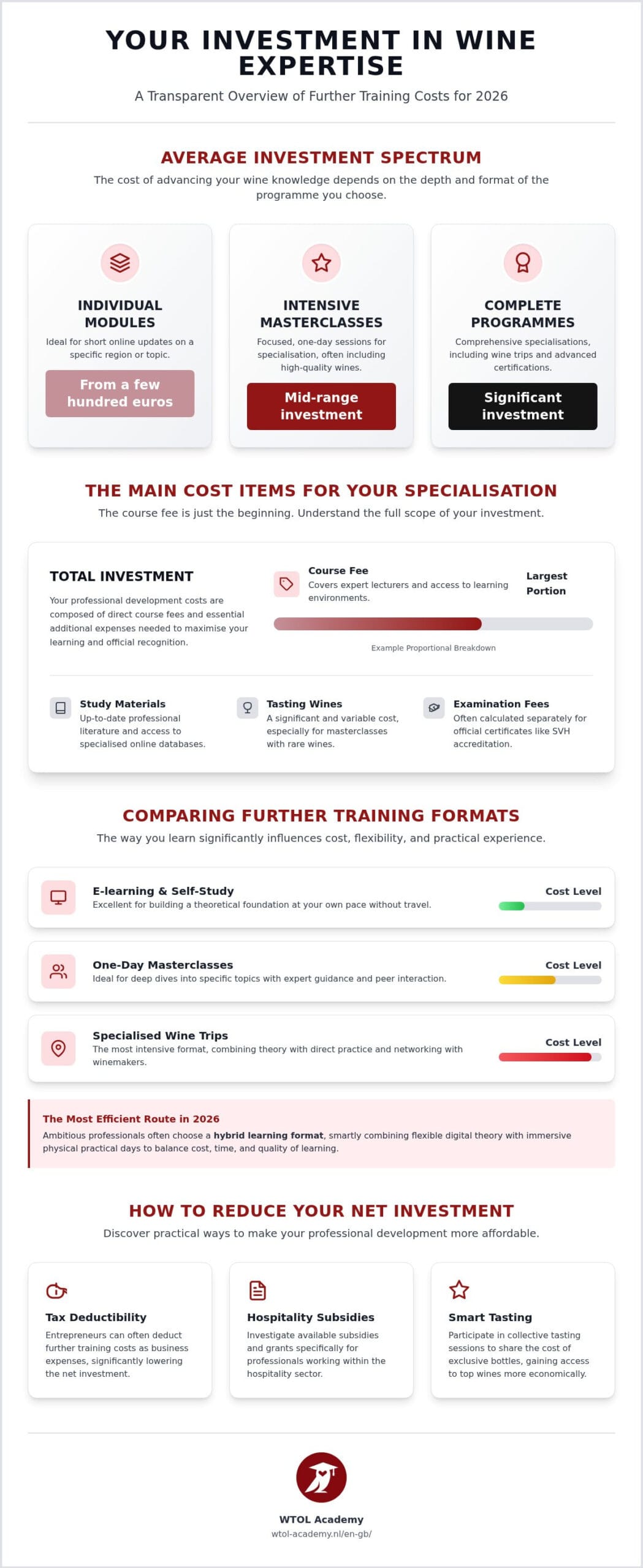
The profession of a wine expert never stands still. New vintages, changing climate conditions, and innovative winemaking techniques demand constant updates to your knowledge. For those who want to know what is an oenologist exactly and why is this further training necessary? The answer lies in the dynamics of the international wine market. In 2026, we see that the wine expert further training costs are highly dependent on the depth and format of the programme you choose. Whilst a short online update on a specific region is often affordably priced, intensive masterclasses with rare wines require a larger investment.
On average, the investment for further training in the Netherlands varies from a few hundred euros for individual modules to larger amounts for complete specialisation programmes. To maintain certain titles or simply to continue operating at the highest level, an annual or biennial update is standard. This ensures that you not only keep your theoretical knowledge up to date but also continue to hone your tasting skills in an environment with like-minded professionals.
The Structure of the Investment
The price of a further training module is determined by various factors that collectively define its ultimate value. These include the lecturer’s expertise, the quality of the tasting wines, and the facilities at the location. At an accredited institution like WTOL Academy, the course fee often includes up-to-date study materials and access to a digital learning environment. A crucial element in pricing is SVH accreditation. Courses that carry this recognition meet stringent national quality standards. This directly increases the value of your certificate in the job market, as employers and clients know that you have been assessed according to the highest standards.
Comparison of Further Training Formats
The way you learn significantly influences the wine expert further training costs. There are various options you can choose from:
- E-learning and self-study: This is an excellent way to brush up on theory with a lower investment. As no physical location or catering is required, you pay purely for the knowledge and the platform.
- One-day masterclasses: Ideal for specific specialisation, such as a focus on sparkling wines or a specific grape variety. The costs often include high-quality tasting wines.
- Specialised wine trips: This is the most intensive form of further training. Although the initial investment for trips to Bordeaux or Champagne is higher, the return is enormous. You combine theory directly with practice through conversations with winemakers in the cellar.
Thanks to the flexible courses and different learning formats, you can tailor your further training programme precisely to your own budget and schedule. Smartly combining digital theory with physical practical days is the most chosen route for the ambitious wine professional in 2026.
The Main Cost Items for Your Specialisation
Anyone wishing to sharpen their expertise as a wine expert quickly discovers that the course fee is merely the starting point. Whilst this often takes the largest bite out of your budget, it’s the additional items that determine what your total investment looks like. The course fee typically covers guidance from experienced lecturers and access to the physical or digital learning environment. However, it’s essential to look beyond just the basic price. To truly embed your knowledge, you need access to up-to-date professional literature and specialised online databases that track the latest trends in the international wine world. These resources are indispensable for strengthening your theoretical foundation before you delve into practice.
When we look at international wine courses, it’s noticeable that the costs for quality tasting wines often claim a significant portion of the budget. Additionally, you must account for examination fees. These amounts are often calculated separately, as not every student takes an exam at the same time or for the same certificate. Obtaining an official SVH certificate is an investment that pays for itself in professional recognition, but it is an amount you must factor into your overview of the wine expert further training costs beforehand.
Why Tasting Wines Are a Variable Factor
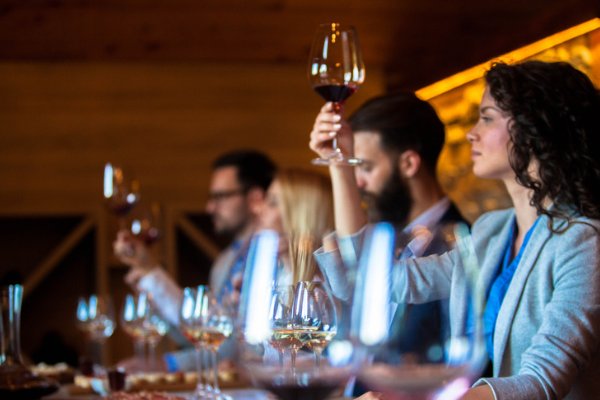
In many further training programmes, wines are a variable expense. That’s logical, as the price of a bottle can vary enormously. For a general update on a wine region, representative bottles often suffice, but for a specialist masterclass on Burgundy or iconic wines from the New World, costs quickly rise. The difference between a standard tasting and a session with exclusive grand crus is simply too great to be captured in a fixed course fee. WTOL Academy handles this smartly and efficiently. By organising tasting sessions collectively, you share the costs of exclusive bottles with fellow students. This is much more economical than if you had to purchase these wines individually for home study. This way, you still get the opportunity to analyse top wines without your budget spiralling out of control.
Hidden Costs You Need to Consider
Besides the invoice from the training institution, there are expenses you can easily forget. Think of travel costs to physical lesson locations in the Netherlands and any parking fees. However, for the busy professional, the value of your own time is the most significant hidden cost. The hours you spend on study and tasting sessions cannot be invoiced to clients or dedicated to your regular work. The annual costs for renewing your registration in professional wine registers also belong in your overall picture. These registrations are crucial for your network and your status as a recognised professional.
Do you want to get a clear picture of the possibilities to expand your knowledge without surprises afterwards? Then view the various courses and discover how to shape your professional growth in a structured and transparent manner.
Different Programmes and Their Price Tag in 2026
The offering for professional specialisation is more diverse than ever in 2026. Whilst you were once mainly reliant on thick theory books and static classrooms, you can now choose programmes that seamlessly fit your specialism and schedule. The wine expert further training costs are closely linked to the intensity of the guidance and the exclusivity of the subject matter. Whether you opt for a digital update or a physical master-mentor session, the focus is always on increasing your practical applicability in the market.
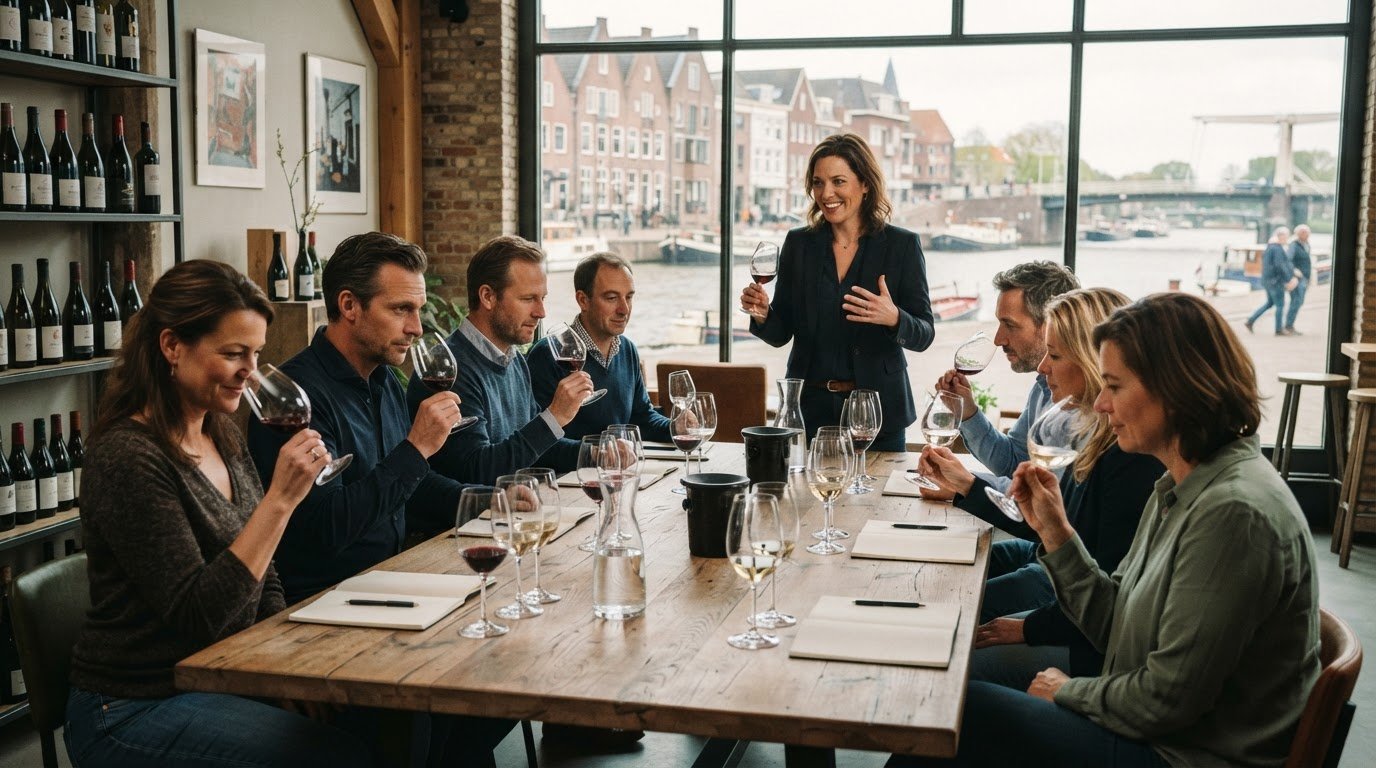
At WTOL Academy, we see that the modern wine professional increasingly opts for a hybrid format. You start with powerful e-learning to refresh your theoretical foundation, after which you delve deeper into complex tastings during physical practical days. This approach is not only efficient but also ensures that the investment in your further training yields immediate results in the workplace. Whether it’s a specific module of the SVH Wine Expert course or a thematic workshop on current trends such as alcohol-free alternatives, the emphasis is on directly applicable knowledge.
Focus on Specific Wine Regions
One of the most effective ways to increase your hourly rate as a consultant or sommelier is by positioning yourself as a regional specialist. An in-depth course on French, Spanish, or Italian wines offers you the details that make a difference during a consultation or when compiling a wine list. The investment in such regional specialisation varies based on the duration of the course and the status of the wines presented for tasting. On the courses page of WTOL Academy, you’ll find an up-to-date overview of these specialist programmes. Mastering the nuances of a specific terroir gives you a huge advantage over colleagues who only possess general knowledge.
Further Training Through Wine Trips
For those who truly want to bring theory to life, specialised wine trips are the ultimate form of further training. An educational trip to iconic regions such as Bordeaux, Champagne, or sun-drenched Valencia offers a learning experience that simply cannot be matched in a classroom. You learn directly at the source. Whilst the investment for such trips is higher than for a local course, the value is commensurate. You gain access to châteaux and cellars that normally remain closed to the public. Moreover, you build a network with international winemakers and fellow students that is invaluable for your further career. It’s an investment in your professional capital that pays for itself many times over through the expertise gained and relationships forged.
How to Reduce the Costs of Your Further Training
Investing in your craftsmanship doesn’t have to cost you a fortune. The total wine expert further training costs often turn out lower in practice when you smartly utilise the available financial schemes. For self-employed entrepreneurs, study costs that serve to deepen or maintain your current expertise are generally fully deductible as business expenses. This significantly reduces your taxable profit. Don’t forget that the purchase of professional literature and even the tasting wines you analyse for your study can also fall under this scheme. It’s a powerful way to maintain your professional capital with support from the tax authorities.
Are you employed? Many hospitality businesses and wine importers have allocated budgets for the professional development of their staff. It pays to discuss further training as a fixed component of your employment terms during your annual appraisal. Additionally, specific subsidy opportunities regularly exist for the hospitality sector from industry organisations aimed at increasing professional competence. WTOL Academy’s e-learning modules cleverly capitalise on this: you not only save on travel costs and valuable time but also benefit from sharper pricing because the digital infrastructure requires less overhead than traditional physical lessons.
Business Benefits of Further Training
Further training is not a static obligation but a driver for your returns. A wine expert who is up-to-date on the latest market trends, such as the explosive growth of quality alcohol-free alternatives or new sustainable winemaking techniques, can better advise their guests or clients. This directly leads to higher average spending and better margins on the wine list. Furthermore, the physical meetings and master-mentor sessions are the ideal place to expand your network. New assignments as a consultant, buyer, or guest speaker often arise precisely during these interactive moments. The ROI of an up-to-date title therefore translates not only into knowledge but also into tangible business opportunities and a stronger market position.
Smart Planning and Combining
By looking ahead, you can significantly save on your programme. Training institutions regularly offer package prices when you enrol in multiple modules or masterclasses simultaneously. Early bird discounts are also a proven way to reduce the price. Additionally, combine your further training with business networking events to make optimal use of your time. Do you have the ambition to take your career to the next level? Then also read our article on becoming a wine expert for a broad perspective on the highest wine training in the Netherlands. By strategically mapping out your learning path, you keep the wine expert further training costs manageable whilst your professional value continues to rise.
Are you ready to expand your expertise with an attractive investment? View our range of accredited courses directly and choose the programme that suits your growth ambitions.
Why Further Training at WTOL Academy Is the Right Choice
Choosing the right training provider is at least as important as carefully budgeting for the wine expert further training costs. At WTOL Academy, we understand that as a wine professional, you don’t need dry theory that is far removed from practice. Our approach is rooted in the master-mentor philosophy. This means you learn from guides who not only possess immense professional knowledge but also have the passion to convey that knowledge in an inspiring way. It’s not just about obtaining a certificate. It’s about enriching your professional identity and igniting your love for the craft.
The hybrid structure of our programmes offers the flexibility needed in a dynamic sector like hospitality or wine trade. Through the powerful combination of e-learning and physical practical days, you keep indirect expenses, such as travel time and absenteeism, to a minimum. You prepare the theory at a time that suits you. This ensures that contact hours are fully utilised for what truly matters: analysing complex wines and sharpening your senses under expert guidance. The knowledge you gain today, you apply directly tomorrow at your guests’ table or in conversation with your clients.
Our Unique Learning Method
The secret to optimal learning outcomes lies in the seamless integration of theory and tasting technique. At WTOL Academy, we don’t taste for the sake of tasting. We taste to directly test the theory against the liquid reality in the glass. Our lecturers bring years of experience from all corners of the wine world, from import and sommelier work to wine education at the highest level. Students choose us because we bridge the gap between the tradition of craftsmanship and the modern demands of the market. The SVH accreditation of our courses serves as a national quality seal that guarantees the value of your investment. Moreover, you gain access to a valuable network of like-minded professionals throughout the Netherlands.
Ready for the Next Step?
Your professional development as a wine expert deserves a partner who understands both the business and human aspects of the profession. Whether you are looking for specific regional specialisation or a broad update of your professional knowledge, we help you make the right choice. After all, a suitable further training programme is an investment that pays for itself in self-confidence, expertise, and a stronger network. You can easily register via our website. We are also always ready to provide personal advice on which programme best suits your current career path and future ambitions.
Are you ready to take your professional knowledge to a higher level? View our current range of further training and wine courses and invest in your future as an expert in the world of wine today.
Take the Next Step in Your Wine Career
You now have a clear overview of how to elevate your expertise as a wine expert without losing control over your budget. We have seen that the wine expert further training costs in 2026 are highly dependent on your personal learning goals and the chosen learning format. By smartly utilising tax deductibility and opting for an efficient mix of e-learning and practical lessons, you invest purposefully in your own professional capital.
At WTOL Academy, you are taught by lecturers from the absolute top of the Dutch wine world. Our students rate their experience with an average of 9.2, and for good reason. With our SVH-recognised diplomas in hand, you not only expand your knowledge but also your market value and business network. It’s an opportunity to combine your passion for the profession with strategic growth for your business or career.
Are you ready to deepen your professional knowledge and expand your network? Discover our accredited further training and wine courses and choose the programme that suits your ambitions. We look forward to helping you further refine your mastery.
Frequently Asked Questions About Further Training for Wine Experts
Is further training mandatory for a wine expert to retain the title?
Further training is not legally mandatory, but it is often a requirement for inclusion in professional registers such as that of the United Wine Experts of the Netherlands (VVN). To actively and credibly hold your title in the market, registers expect you to demonstrably keep your knowledge up-to-date. This ensures that the quality of the wine expert corps in the Netherlands is maintained and that you, as an expert, are taken seriously by clients.
Are the wine expert further training costs tax deductible?
Yes, as a self-employed entrepreneur, the wine expert further training costs are generally fully deductible as business expenses with the Tax Authorities. Because the study is aimed at maintaining your current professional knowledge, the tax authorities consider this necessary business expenditure. For employees, the employer can often reimburse these costs tax-free via the work-related expenses scheme, which significantly lowers the barrier to professional growth.
How many hours of further training should I complete per year?
The exact hour standard varies per register, but on average, an investment of 12 to 16 hours per year is assumed for an up-to-date status. You can fulfil this with one-day masterclasses, specialised modules, or intensive wine trips. The main point here is to obtain the necessary accreditation points associated with the different further training formats, so that your registration officially remains valid for the following year.
Does WTOL Academy also offer in-company further training for teams?
Yes, WTOL Academy provides specialised in-company further training for teams at hospitality businesses, importers, and wine specialist shops. These programmes are fully tailored to the assortment and specific learning needs of your employees. This is an extremely efficient way to raise the collective knowledge level and directly improve sales results, as the theory is directly linked to the wines you serve or sell daily.
Are the tasting wines included in the price of the further training?
For physical meetings and masterclasses at our locations, the tasting wines are standardly included in the course price. For our e-learning programmes, you choose whether to purchase the wines individually or use specially curated tasting packages. This way, you always maintain control over the total wine expert further training costs whilst still having access to quality wines that are essential for your sensory development.
Can I undertake further training via e-learning at WTOL Academy?
Certainly, you can follow various further training modules via WTOL Academy’s flexible e-learning environment. This is the ideal solution for busy professionals who want to brush up on their theoretical knowledge without being tied to fixed lesson times or locations. You can easily combine the digital theory with your own practical experience or connect it later to a physical practical day for optimal learning results at your own pace.
What happens if I don’t undertake further training as a wine expert?
If you don’t undertake further training, your knowledge of new regions, legislation, and trends quickly becomes outdated. Additionally, after a certain period, you may lose your registration in the official wine expert register, which can affect your professional status. In a sector that changes as rapidly as the wine world, stagnation often means a decline for your reputation and your competitive position compared to colleagues who do invest in their growth.