
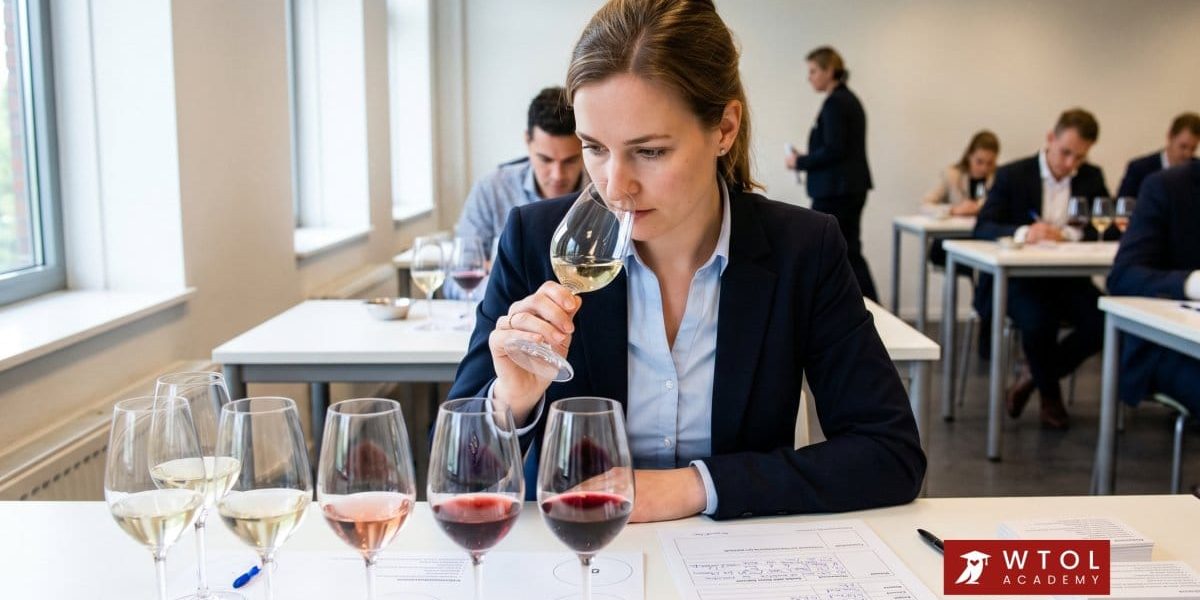
Is tasting seventy different wines during your course sufficient to enter the examination room with confidence? Many ambitious hosts and wine enthusiasts wonder if the SVH Wine 3 exam is difficult, especially given the depth expected from professionals in 2026. It’s understandable to be daunted by the enormous amount of knowledge about international wine regions or to doubt whether your palate is sharp enough for the organoleptic part of the test.
We fully understand this uncertainty, as the wine certificate is, for good reason, the gold standard for professional competence in the Dutch hospitality industry. In this article, you’ll discover the honest facts about the actual difficulty level and how to optimally prepare for this coveted diploma. We’ll give you a realistic picture of the forty theoretical multiple-choice questions and offer practical tools to pass with flying colours. With the right structure and expert guidance from WTOL Academy, we’ll transform that exam stress into self-confidence and pure passion for the profession.
Key Points
- Understand why the SVH Wine 3 diploma is the gold standard in hospitality and what the specific exam requirements for 2026 entail.
- Discover the honest facts about whether the SVH Wine 3 exam is difficult and how to successfully transition from basic knowledge to in-depth terroir knowledge.
- Learn how to fully master the theory of international wine regions with a structured eight-week study plan and active learning methods.
- Get a grip on organoleptic examination by learning to taste analytically, a crucial component for passing the practical exam.
- Experience how personal guidance and the unique blend of online and classroom learning at WTOL Academy maximise your chances of success.
Is the SVH Wine 3 exam difficult? An honest analysis
The SVH Wine 3 exam, popularly known as the wine certificate, is the official benchmark for professional competence within the Dutch hospitality industry. For many ambitious professionals and serious enthusiasts, this is the first real test of proficiency. The question of whether the SVH Wine 3 exam is difficult often haunts many students. The honest answer? The difficulty level is relative. It depends entirely on your theoretical foundation and the discipline with which you absorb the course material. Where previous levels focused on broad recognition, this exam forces you into deep analysis and factual precision.
In practice, we see a clear difference in the statistical reality between Level 2 and Level 3. While the pass rate for the basic course is often very high, the wine certificate requires a more active approach. It’s not a test you can simply ‘wing’ based on general wine knowledge. The forty multiple-choice questions of the national examination are specifically designed to test the depth of your knowledge. WTOL Academy acts as your experienced guide in this regard. We translate complex subject matter into digestible chunks, so you don’t get overwhelmed by the enormous amount of information about international wine regions.
The Leap from SVH Wine 2
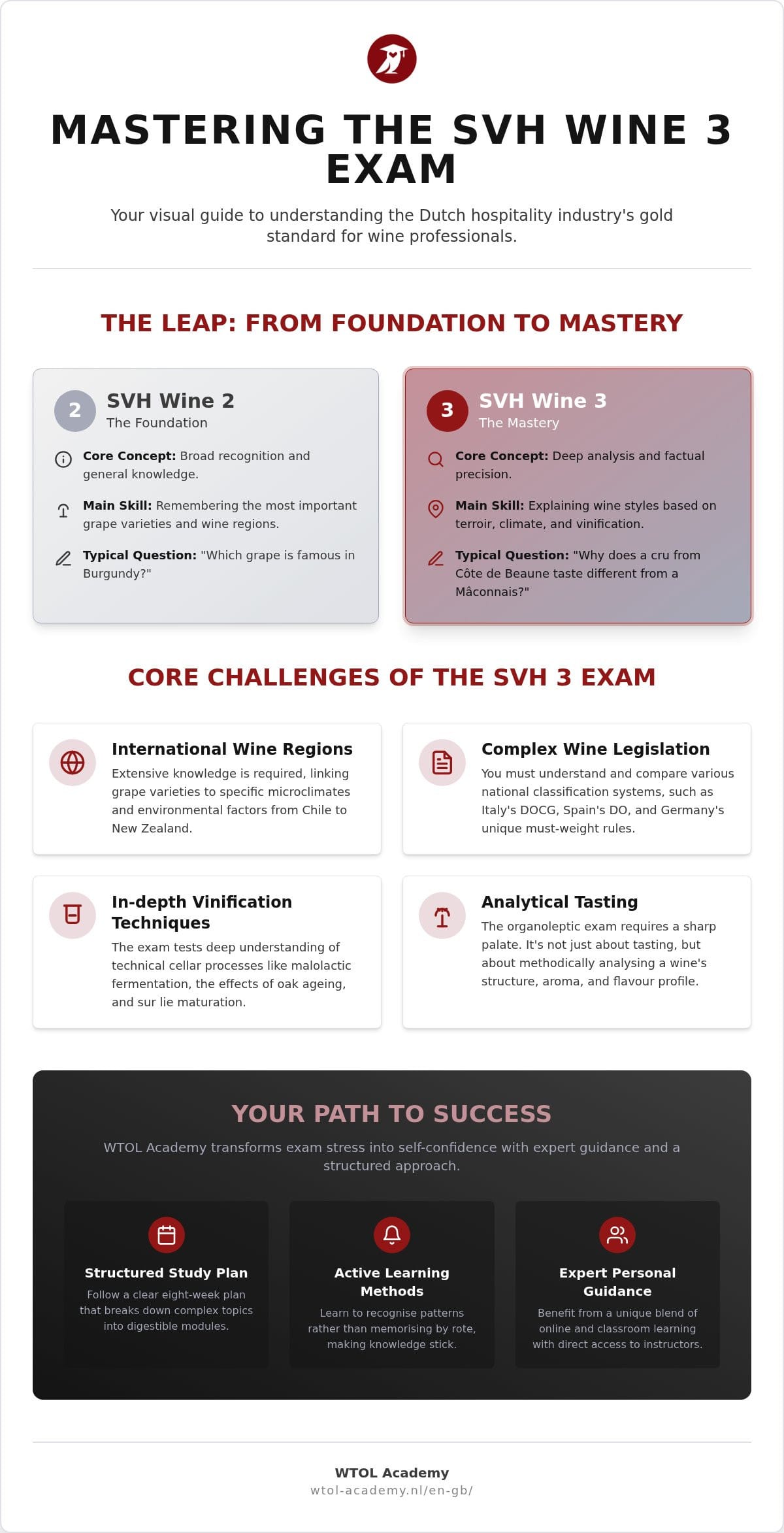
Level 2 lays an excellent foundation by introducing you to the most important grape varieties and regions. However, with SVH Wine 3, your mindset changes completely. It’s no longer enough to know that a Chardonnay comes from Burgundy. You learn to understand why a specific cru from the Côte de Beaune tastes different from a wine from the Mâconnais. The depth increases exponentially; you shift from simply recognising flavours to explaining wine styles based on terroir and climatic factors.
The Psychological Barrier of the Wine Certificate
Obtaining an official SVH diploma brings with it a healthy amount of pressure. It’s a quality stamp that immediately adds value to your CV. Many students particularly find the theoretical details surrounding the science of winemaking challenging. This includes complex processes such as malolactic fermentation or the chemical influence of soil types on the grapevine. Whilst this is technical subject matter, it forms the essence of your craftsmanship. By following our structured courses , you’ll notice that these details fit together logically. This way, you’ll enter the examination room with self-confidence and passion, ready to capitalise on your expertise.
What makes SVH Wine 3 more challenging than the basic course?
The transition from a basic course to the wine certificate feels like a significant climb for many. Where Level 2 allows you to get by with remembering the most important grape varieties, Level 3 demands a deeper understanding of the context. It’s no longer just about ‘knowing’, but about ‘understanding’. You learn how a specific soil type influences the minerality in a glass and why certain appellations within one region differ so greatly from each other. This directly explains why some find the SVH Wine 3 exam difficult; the questions go far beyond superficial facts.
Wine legislation often poses a stumbling block because each country has its own rules and classifications. Where Italy works with DOCG, Spain uses the DO status, and Germany has its own system based on must weight. Understanding these hierarchies is essential for the exam. It enables you to directly assess the quality and origin of a bottle. This level closely aligns with internationally recognised wine qualifications, indicating that you are operating at a professional level. Being able to link climatic influences to the final style of the wine is a skill you will master step by step during our practical courses .
In-depth Vinification and Cellar Techniques
A winemaker’s choices in the cellar are crucial for the final product. In the exam, you are expected to understand the difference between malolactic fermentation, oak ageing, and sur lie ageing. These technical aspects determine whether a wine is fresh and crisp or creamy and complex. Because these questions delve deeply into the biological processes behind the wine, they are often perceived as the most challenging part of the theory. It requires an analytical perspective that goes beyond merely tasting the wine.
International Wine Regions and Their Characteristics
The topographical knowledge required for SVH Wine 3 is extensive. You delve into microclimates from Chile to New Zealand. It is essential to be able to link grape varieties to specific environmental factors. Why does a Cabernet Sauvignon behave differently in the Médoc than in Napa Valley? The answer lies in the soil composition and average hours of sunshine. To master this enormous amount of information, we work with active learning methods. The art is to recognise patterns rather than learning everything by rote. This makes the path to the diploma less overwhelming and ensures that the term SVH Wine 3 exam difficult loses its power for you.
Theory versus practice: the exam dissected
To understand why the SVH Wine 3 exam can be difficult, you need to look at the specific structure of the assessment. It’s a battle on two fronts: the sharpness of your mind for theory and the precision of your senses for tasting. In 2026, the national exam consists of forty multiple-choice questions and an organoleptic examination. Time pressure is a factor that students often underestimate. You have only limited time to answer the questions and analytically dissect the wines. An effective allocation of your minutes is therefore crucial to avoid running out of time on the last, often more complex, questions.
A common mistake when completing the tasting form is drawing conclusions too hastily. Students sometimes try to guess which grape variety is in the glass, instead of following the systematic steps of the SVH method. This leads to inconsistencies in the description, which costs valuable marks. The art is to remain objective and only note what you actually observe in colour, aroma, and flavour structure. By adopting this analytical approach, you build a logical dossier that leads to the correct conclusion about the wine style and quality.
The Theoretical Exam: More Than Just Facts
SVH formulates questions that test your insight rather than pure factual recall. You often encounter ‘distractors’: answers that initially seem correct but are ruled out by a small detail in the question. Carefully reading the question is half the battle here. Additionally, knowledge of the Alcohol Act and social hygiene within the wine context is a fixed part of the theory. This aligns with the professional wine educator standards used worldwide to ensure the quality of hospitality staff. In our courses, we specifically train on these question formats, so you learn to see through the eyes of the examiner.
The Organoleptic Exam: Analytical Tasting
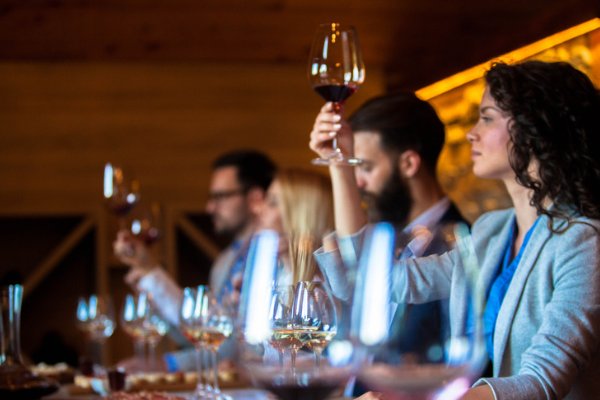
During the practical section, you taste a selection of wines blind. This is the most exciting moment for many, as you must rely entirely on your own senses. It’s not about what you ‘like’; you must completely switch off your personal preference. You assess the wine based on technical characteristics such as acidity, tannins, alcohol percentage, and the complexity of the aroma. Distinguishing between a quality wine and a simple drinking wine is essential. Blind tasting is a skill you only master through frequent repetition and daring to make mistakes during lessons. This way, you develop a frame of reference that helps you through the difficult SVH Wine 3 exam.
How to optimally prepare for the wine certificate?
Success with the wine certificate is no fluke; it’s the result of meticulous planning. Although many find the SVH Wine 3 exam difficult, that pressure dissipates with a structured approach. We advise allocating at least eight weeks for your preparation. During this period, you’ll gradually build up the necessary theoretical depth and train your senses for the practical section. It’s essential to combine self-study with professional guidance, so you not only know the facts but also understand the connections between climate, soil, and vinification.
A unique aspect of good preparation is the focus on the last 48 hours before the test. In this crucial phase, you must stop cramming new information. Use the first 24 hours of this window exclusively for a quick review of your flashcards for the most challenging appellations. The last 24 hours before the exam are for rest. Your senses and brain must be fresh to recognise the subtle nuances in the glass during the organoleptic examination. Check out the WTOL Academy courses page for additional support and practice materials to guide you through this final stage.
Effective Study Methods for Wine Knowledge
Active learning methods work best for the enormous amount of topographical knowledge. Use mind mapping to visually link wine regions to their specific grape varieties and soil types. Repetition is key to success here. It is scientifically proven that studying for twenty minutes every day is more effective than cramming for five hours once a week. By engaging with the material briefly each day, you embed the knowledge in your long-term memory. Additionally, use practice exams to get accustomed to SVH’s specific questioning style, which reduces the chance of stumbling over the term SVH Wine 3 exam difficult.
The Power of Tasting Groups and Guidance
You don’t just learn about wine from a book; you learn it primarily in the glass. Setting up a tasting group with fellow students is one of the most valuable investments you can make. By tasting blind together and critiquing each other’s tasting notes, you develop a more objective frame of reference. An experienced WTOL Academy tutor can help ‘click’ with subjects you might not fully grasp on your own. Our hybrid learning method combines the flexibility of e-learning with essential in-person practical lessons. Are you ready to elevate your knowledge to a professional level? Sign up directly for one of our SVH Wine 3 courses and start your journey to the wine certificate today.
Why the SVH Wine 3 course at WTOL Academy is the best choice
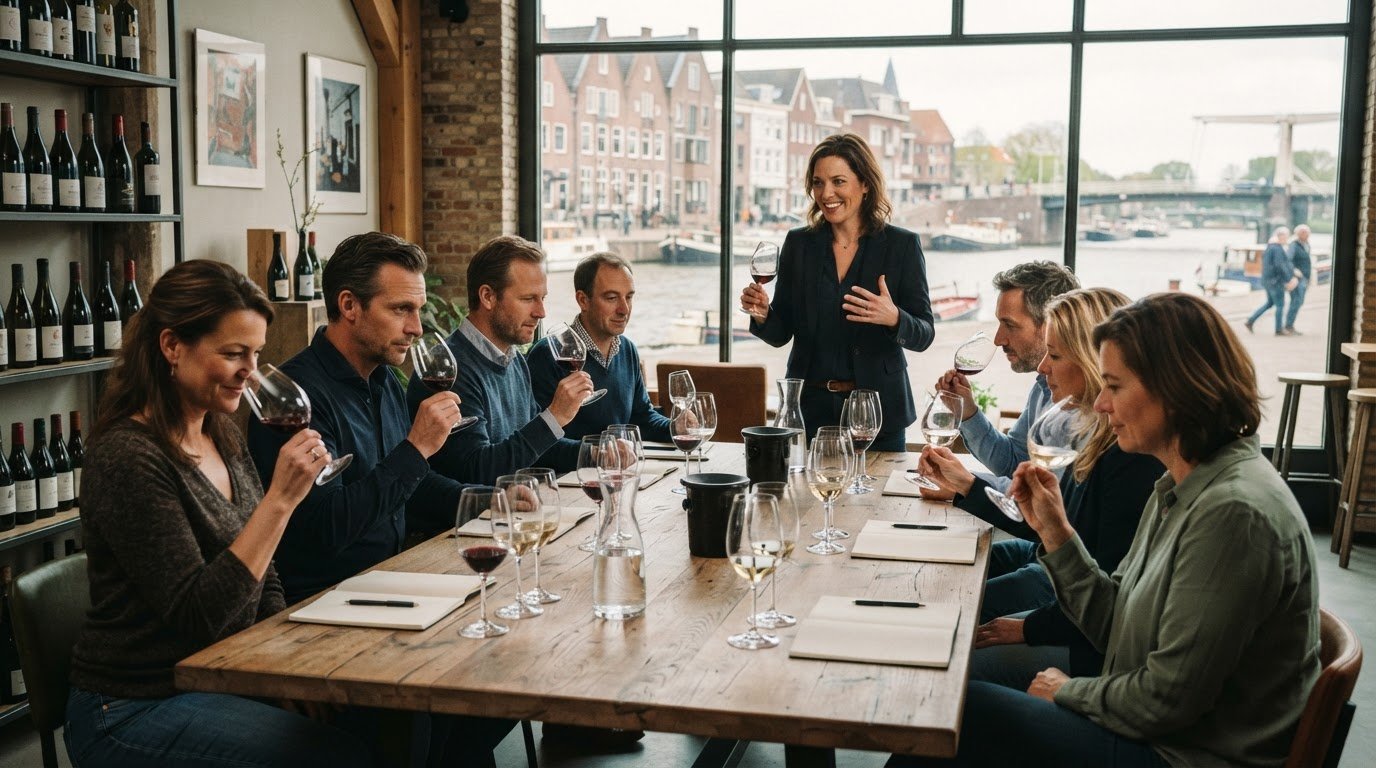
Choosing the right training provider is the most important step in your preparation for the wine certificate. At WTOL Academy, we understand that many students find the SVH Wine 3 exam difficult, which is why we have developed a curriculum that seamlessly connects theory and practice. We go beyond simply imparting facts; we teach you to taste with a specific purpose. During our classroom sessions, you will taste approximately seventy different wines. We do this not just randomly, but through a rigorous analytical method that you can directly apply during the official examination.
Our strength lies in the personal guidance provided by tutors who have successfully completed the journey to become a vinologist themselves. They know the pitfalls of the national assessment and understand exactly where the focus needs to be for you to succeed. Whether you opt for the eight-evening course or the intensive four-day course, you are never alone. We offer support right up to the exam door, including a pass guarantee that provides peace of mind in your learning process and boosts your self-confidence.
Our Method: From E-learning to Practical Lessons
The path to success begins in our modern digital learning environment. Here, you lay the theoretical foundation at your own pace, which is essential for thorough preparation. This e-learning prepares you for the complexity of international wine regions and technical vinification techniques. When you then step into the classroom for practical lessons, everything falls into place. The intensive tasting sessions are when theory comes to life. We understand that hospitality professionals have busy schedules, so we offer maximum flexibility with various start dates in March, April, and September.
Personal Guidance from Experienced Mentors
We believe in the power of small groups for maximum interaction. This gives you the space to ask all your pressing questions directly to an expert. Our mentors act as guides, helping you to recognise patterns in wine styles, so you no longer have to learn everything by rote. Through this personal approach, you will see the difficult SVH Wine 3 exam less as an obstacle and more as a challenging milestone. Are you ready to turn your passion into an officially recognised diploma? Enrol in SVH Wine 3 and take the next step in your professional wine career.
Take the Step to Your Official Wine Certificate Today
Obtaining the wine certificate is a milestone that elevates your career in hospitality. Whilst the SVH Wine 3 exam can be difficult if you start without a plan, we have seen that a structured approach and analytical insight make all the difference. By focusing on the connection between terroir, vinification, and the glass, you transform theoretical knowledge into true craftsmanship. You learn not only what is in the bottle but, more importantly, why the wine tastes the way it does.
As an SVH-accredited training institute, WTOL Academy offers you the ideal environment to grow. Our tutors have years of practical experience and will personally guide you through the complex subject matter. Thanks to our unique learning method and intensive tasting sessions, we achieve a high pass rate, so you can enter the examination room with confidence. You are never alone on this challenging journey.
View the SVH Wine 3 course and start your journey to the wine certificate. You are just one step away from the professional recognition you deserve. We look forward to exploring the world of wine further with you and turning your passion into a splendid diploma.
Frequently Asked Questions
Is the SVH Wine 3 exam more difficult than WSET 3?
SVH Wine 3 and WSET 3 are comparable in level, but their focus differs significantly. Where WSET focuses on an academic approach, SVH emphasises hospitality practice and specific legislation. Many students find the SVH Wine 3 exam difficult due to this unique combination of deep theory and direct practical applicability in the hospitality sector. It forces you not only to know the wine but also the context in which you serve it.
How many hours should I study for the SVH Wine 3 exam?
On average, you should expect to dedicate eighty to one hundred hours to self-study, in addition to the hours you spend physically or online in the classroom. This, of course, depends on your existing basic knowledge and your experience in the sector. Good planning spread over at least eight weeks helps to process the enormous amount of information about international wine regions and complex vinification processes step by step without becoming overwhelmed by the details.
What happens if I fail the tasting part of the exam?
If you unfortunately fail the tasting section, you typically only need to retake that specific component with SVH. The theoretical exam and the organoleptic examination are separate parts of the overall assessment. This gives you the opportunity to fully concentrate on refining your tasting technique in the second attempt. You then specifically train on objectively analysing the wines according to the established methodology without the pressure of theoretical questions.
Can I take SVH Wine 3 without an SVH Wine 2 diploma?
Yes, you can directly enrol in the SVH Wine 3 course without holding a Level 2 diploma. However, we only recommend this if you already possess a solid foundational knowledge or have years of practical experience in a wine environment. The leap to Level 3 is significant; understanding complex terroir influences and wine legislation is much easier if you already master the basic principles of grape varieties and regions, which explains why some find the SVH Wine 3 exam difficult without this preparation.
How long is the SVH Wine 3 diploma valid?
An SVH Wine 3 diploma is valid indefinitely and never needs to be renewed. Once obtained, this quality stamp remains on your CV forever as proof of your professional competence and expertise. However, it is essential to keep your knowledge up-to-date, as the wine world is constantly evolving. Consider new appellations, changing climatic conditions in classic regions, and innovative cellar techniques that remain relevant to your daily work even after your exam.
What are the main topics in the SVH Wine 3 theory exam?
The main themes are viticulture, vinification, international wine regions, and the Dutch Alcohol Act. You must not only know where a wine comes from but also be able to explain how factors such as soil composition and fermentation choices determine the final style. Social hygiene and the rules surrounding responsible alcohol provision also form a fixed and crucial part of the forty multiple-choice questions presented to you during the national assessment.
What is the best way to learn blind tasting for the exam?
The best way to learn blind tasting is by using a strict methodology and practising frequently in structured tasting groups. Always use the official SVH tasting form to objectively record your observations regarding colour, aroma, and flavour structure. Through feedback from fellow students and experienced tutors, you learn to completely switch off personal preferences. You then focus purely on technical characteristics such as acidity, tannins, and complexity to arrive at the correct conclusion about the origin.
Is there a difference between the wine certificate and SVH Wine 3?
There is no difference whatsoever; the wine certificate is simply the traditional name for the SVH Wine 3 level. Popularly, the term wine certificate is still widely used by enthusiasts and professionals, but your official diploma will state SVH Wine 3. It is the national standard in the Netherlands that indicates you possess the theoretical depth and tasting skills of an independently working wine professional or advanced connoisseur.