
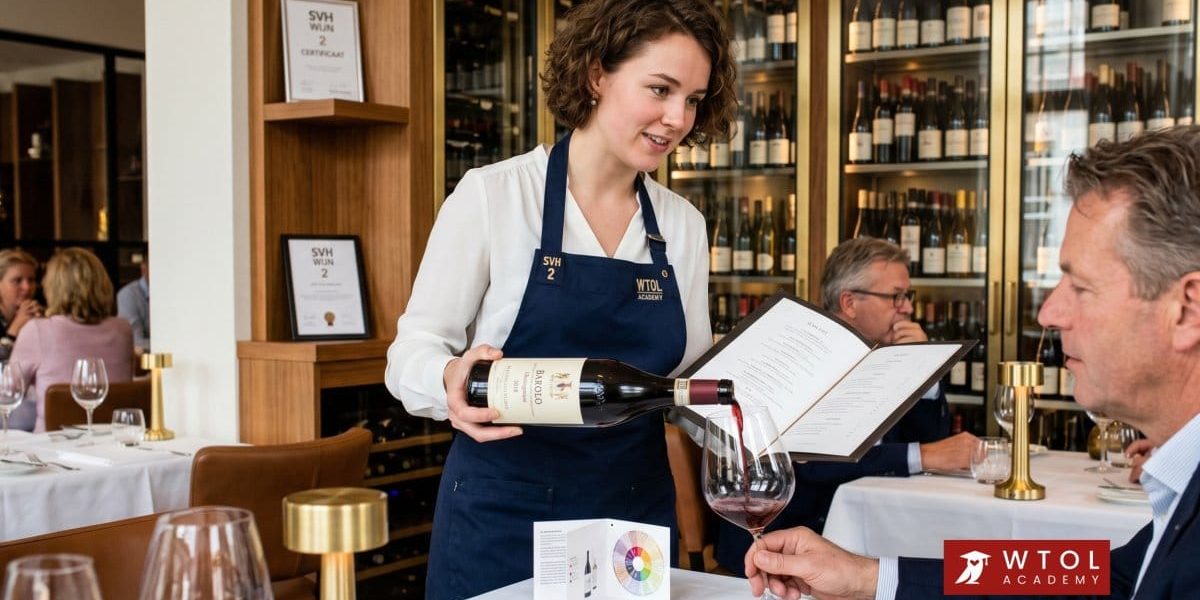
Imagine this: a guest asks you for a refined explanation of a complex Barolo, but you find the right words momentarily escape you. It’s a familiar moment for many hospitality professionals who already master the basics but yearn for more depth and certainty. The question of what you learn at SVH Wine 2 is therefore the first step towards true mastery behind the bar or at the table. In this training programme, you transform from an enthusiastic amateur into a conscious professional who not only tastes but also understands exactly what is happening in the glass.
You’ll surely recognise the feeling that wine knowledge sometimes seems like an unfathomable maze, especially when the theory about climate and soil goes deeper than you’re used to. In this article, you’ll discover exactly which skills and theoretical insights you’ll gain to confidently present a wine list. We’ll delve into the structure of the training; from flawlessly recognising wine faults such as cork taint to making the perfect connection between dish and glass. This way, you’ll optimally prepare for the nationally recognised diploma and elevate your hospitality to a professional level.
Key Points
- Understand the crucial difference between the basic knowledge of Wine 1 and the professional standard of the SVH Wine 2 level for hospitality.
- Discover what you learn at SVH Wine 2 about the influence of terroir and the complex vinification processes for white, red, and rosé wines.
- Learn to apply the systematic SVH tasting method to objectively and professionally assess wine by colour, aroma, and taste.
- Grasp the basic rules for successful wine-food pairings and learn how to expertly present and serve wine to guests.
- Prepare optimally for the official examination with insight into the structure of the questions and practical tips for effective e-learning.
What is SVH Wine 2 and who is it for?
SVH Wine 2 is the absolute standard in Dutch hospitality for anyone who wants to elevate their wine knowledge to a professional level. Where a basic course often stops at recognising the most well-known grape varieties, this level goes a significant step further. It is an officially recognised diploma that demonstrates you not only love wine but also understand how processes in the vineyard and cellar determine the final taste. For many employers in gastronomy, this certificate is a strict requirement for positions such as head waiter or head waitress.
If you investigate what you learn at SVH Wine 2, you’ll discover that the focus shifts to the underlying theory and technique. You’ll be introduced to the fundamentals of the scientific study of wine, with topics such as soil composition, climate influences, and vinification methods taking centre stage. WTOL Academy guides you in this process as an experienced mentor. We don’t just provide you with dry facts, but teach you how to translate this knowledge into an inspiring story at your guests’ table. By thoroughly understanding what you learn at SVH Wine 2, you lay the foundation for a career where you can truly surprise your guests. View our various training programmes to see how this fits into your personal growth path.
The target audience for the training
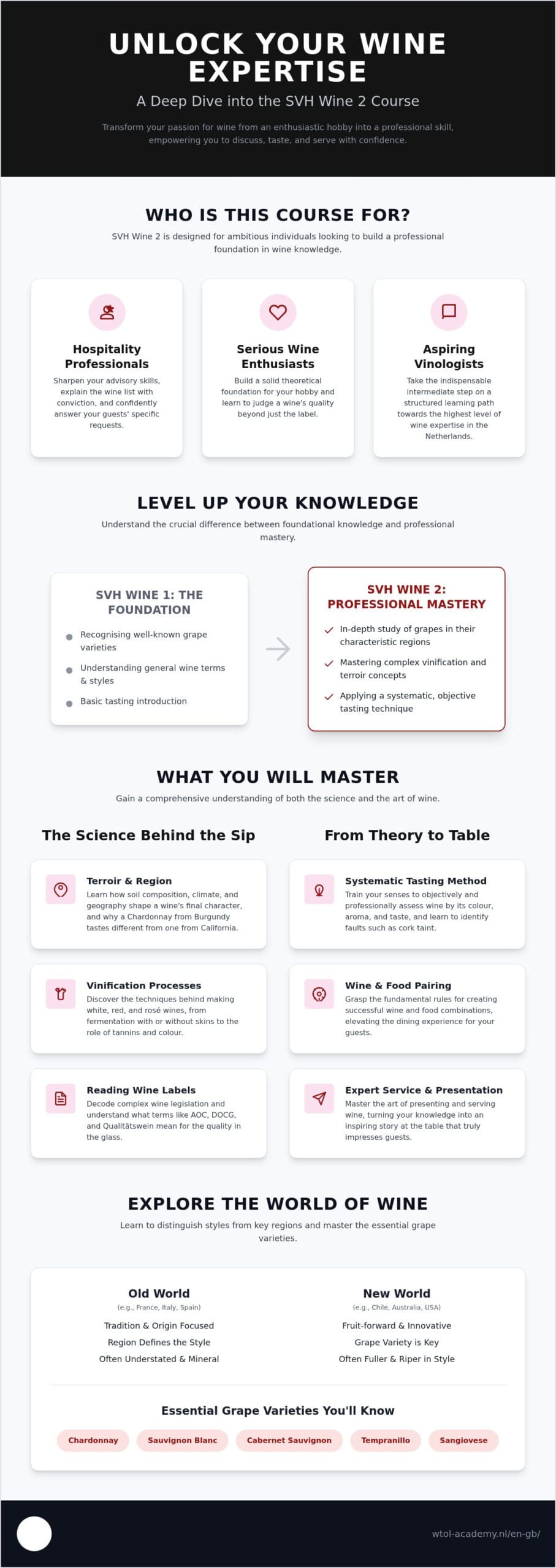
This training programme is designed for a diverse group of ambitious doers. Firstly, it targets professionals in hospitality who want to sharpen their advisory skills. You learn how to explain a wine list with conviction and how to respond to a guest’s specific wishes. Additionally, we see a growing group of serious wine enthusiasts. They want to lay a solid theoretical foundation for their hobby and no longer rely on the label to determine if a wine is good. Finally, SVH Wine 2 is the indispensable intermediate step for aspiring vinologists who want to follow a logical and structured learning path towards the highest level in the Netherlands.
The transition from Wine 1 to Wine 2
Many students wonder how big the step from Wine 1 to Wine 2 actually is. The difference lies mainly in depth and precision. Where Wine 1 teaches you about general terms and styles, Wine 2 specifically delves into grape varieties in their characteristic regions. You learn why a Chardonnay from Burgundy tastes different from one from California. The tasting technique is also elevated. You train your senses to judge more objectively and to recognise subtle nuances in aroma and structure. Although prior knowledge from a basic course is helpful, it is not mandatory. With the right effort and WTOL Academy’s e-learning, you can start directly at this level and successfully obtain your diploma.
The theoretical basis: grapes, regions, and vinification
The foundation of your expertise lies in understanding exactly what happens in the cellar and the vineyard. When asked: what do you learn at SVH Wine 2? The answer is primarily the logic behind the liquid. Winemaking is a craft where technique and nature converge. You delve deep into the process of vinification. Here you learn that white wine is produced by fermenting only the juice, whilst for red wine, the skins are essential for colour and tannins. The production of rosé, often misunderstood as a simple blend, is also extensively covered. This form of professional wine analysis helps you to understand the structure of every bottle.
Besides technique, the environment plays a crucial role. The concept of terroir is indispensable here. You learn how the specific combination of soil composition, hours of sunshine, and rainfall influences the taste of the grape. A chalky soil, after all, gives a very different character to a wine than a subsoil of granite or clay. To apply this knowledge in practice, you also learn how to read a label correctly. Wine legislation can be complex, but after this module, you’ll understand exactly what terms like AOC, DOCG, or Qualitätswein mean for the quality in the glass. It is the theoretical backbone you need to speak with authority about your assortment within Dutch hospitality.
Grape varieties you need to know
The world of grapes is vast, but at SVH Wine 2, you focus on the varieties that set the international standard. Classics such as Chardonnay, Sauvignon Blanc, and Cabernet Sauvignon form the basis. You learn to recognise their varietal characteristics: from the fresh acidity of a Sauvignon to the robust body of a Cabernet. Additionally, attention is paid to regional specialities that give a wine list character. Think of Tempranillo from Spain or Sangiovese from Italy. By mastering these profiles, you can more quickly deduce a wine’s origin during tasting and what the guest can expect.
Old World versus New World
Another important part of what you learn at SVH Wine 2 is the distinction between the Old World and the New World. In Europe, the Old World, everything revolves around tradition and origin. Countries like France and Italy let the region speak. In the New World, with countries such as Chile, Australia, and South Africa, fruit and innovation often take precedence. You learn to distinguish between their styles. A Chardonnay from Burgundy is often understated and mineral, whilst one from California is often fuller and riper. Do you want to translate this theory directly into practical success? Then check out our various wine training programmes for the best start.
Learning to taste like a professional
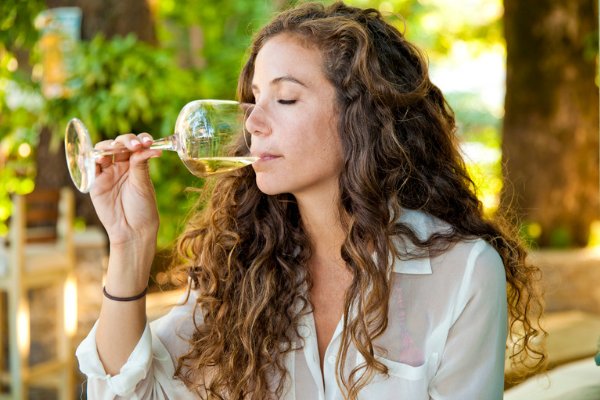
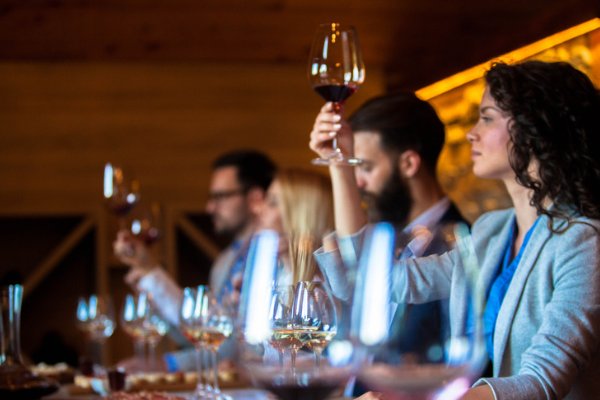
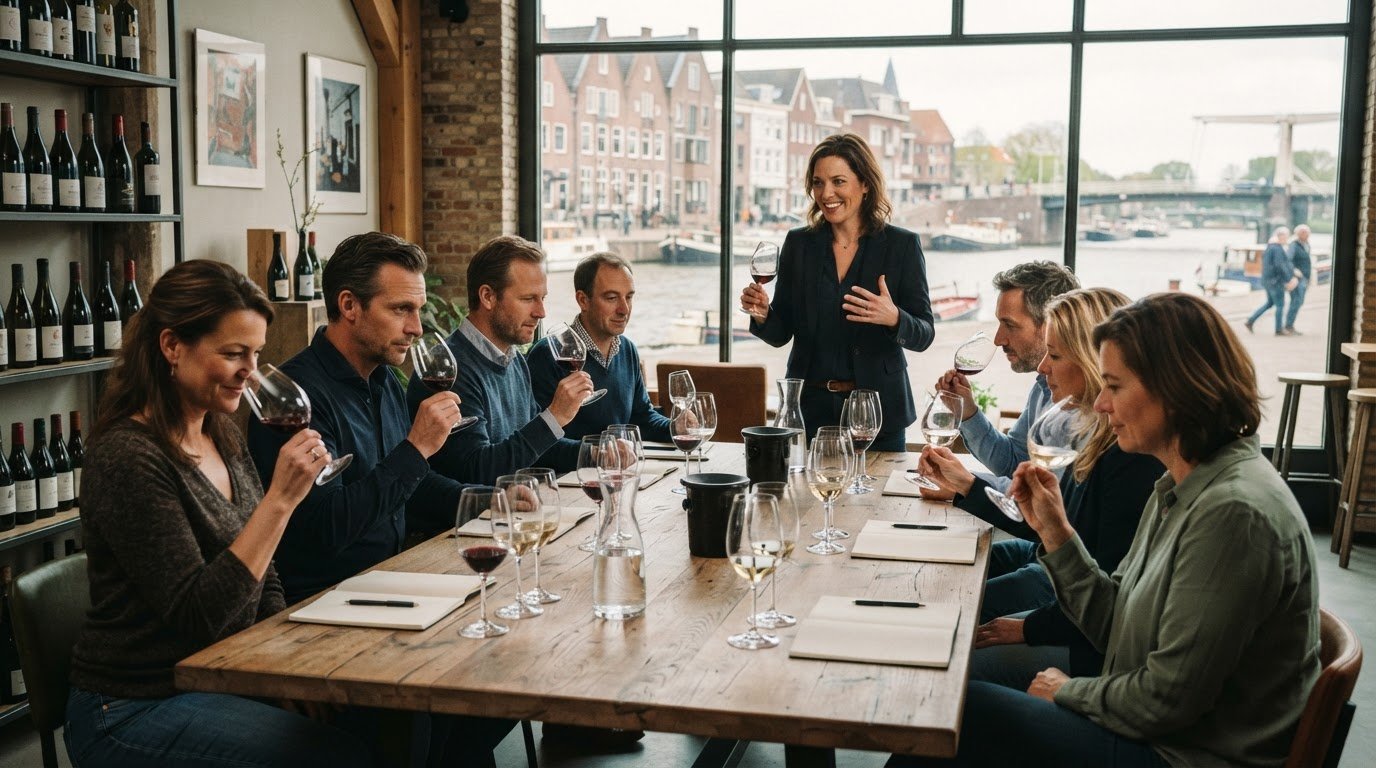
Tasting is for many the most inspiring part of the training. You exchange your personal preference for an analytical perspective. Systematic tasting according to the SVH method removes the uncertainty you might feel when opening a new bottle. An essential part of what you learn at SVH Wine 2 is this fixed structure, meaning you no longer have to guess at the quality. You learn to look, smell, and taste with a purpose: to understand the wine and translate this into clear advice for your guest.
When assessing a wine, objectivity is key. You learn how to weigh factors such as balance, length, and complexity to arrive at a final judgment. This not only helps you select wines for a list but also to recognise faults. Nothing is as professional as being able to immediately reject a bottle because you flawlessly recognise the first signs of cork taint or oxidation. What do you learn at SVH Wine 2 in this area? Primarily how to train your senses to pick up subtle nuances that you might have previously missed.
Visual and aromatic analysis
In the glass, the story begins with the colour. A deep ruby red colour often suggests a younger wine from a warmer climate, whilst a lighter garnet colour can indicate ageing or a cooler origin. During the practical days at WTOL Academy, we use an aroma wheel. This tool helps you to categorise aromas. You learn to distinguish between primary aromas from the grape itself, secondary notes that arise during fermentation, and the complex tertiary aromas from bottle ageing. Recognising these layers gives you the depth needed to truly bring a wine list to life for a guest.
Flavour profiles and structure
Once the wine touches your mouth, it’s all about structure. You assess four main elements: acidity, tannins, alcohol, and body. The art is to find the balance between these components. A wine with high acidity but little fruit is out of balance; a top wine has everything in harmony. You also learn to recognise the influence of oak ageing by the texture and specific flavours such as vanilla or cedarwood. The ultimate quality of a wine proves itself in the finish. The longer the taste lingers pleasantly, the higher the quality often is. By objectively recording these elements in your tasting notes, you can tell a guest exactly why that specific bottle is the best choice.
Theory is wonderful, but in hospitality, everything revolves around the moment at the table. A crucial part of what you learn at SVH Wine 2 is the translation of complex knowledge into a flawless guest experience. You learn how to explain a wine list with authority and how to recommend the right bottle for a specific menu structure. This is not just about etiquette, but about creating harmony between what is on the plate and what is poured into the glass. You are trained to look beyond just the label; you learn to connect the soul of the wine with the chef’s vision.
A professional distinguishes themselves by how they handle difficult situations. When a guest doubts the quality of a wine, you learn how to investigate this professionally. You immediately recognise whether a wine has cork taint or if the guest simply had a different taste expectation. This ability to objectively assess and resolve complaints ensures calm service and builds guest confidence. It is this practical depth that makes the training indispensable for ambitious hosts and hostesses. You learn not only what you learn at SVH Wine 2 on paper but also how to use that knowledge to increase turnover and guest satisfaction.
The art of pairing
Service and etiquette
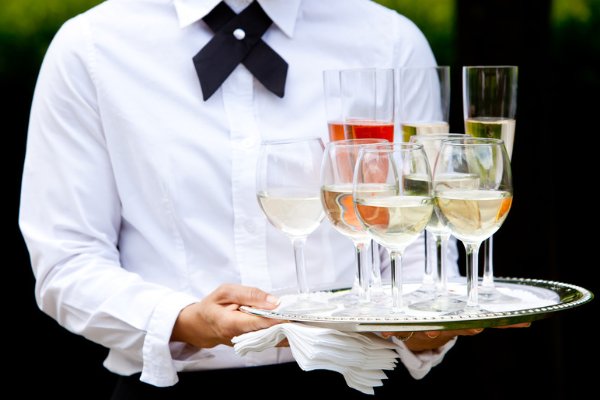
The presentation of the wine is your calling card. You learn the optimal serving temperatures: white wines between 8 and 12 degrees and red wines often cooler than average room temperature, around 16 to 18 degrees. The difference between decanting and carafing is also covered. You learn when to carefully separate an old wine from its sediment and when a young wine needs oxygen to open up. Choosing the right glassware is the finishing touch. Are you ready to put these skills into practice? Then view our range of professional hospitality training programmes and become the expert every guest deserves.
Exam preparation and the path to vinologist
The official SVH examination is the culmination of your studies. Here you test whether you master the theory and practice at the level that Dutch hospitality expects from an expert. The exam is compact and challenging: 46 multiple-choice questions in just 45 minutes. A special part consists of the six organoleptic questions at the beginning, where you blindly analyse two white and two red wines. To pass, you need at least 28 correct answers, with at least two correct analyses in the tasting section. This is the moment when the tasting technique we discussed earlier is truly put to the test.
The diploma you obtain with this is invaluable on your CV. In Dutch gastronomy, this certificate serves as proof of craftsmanship. It shows that you not only know what you learn at SVH Wine 2 but also that you can apply this knowledge under pressure. Employers immediately recognise the value of this diploma because it demonstrates that you possess a solid theoretical foundation and can flawlessly identify quality faults in wine. Moreover, this is the stepping stone to the Wine Certificate (SVH Wine 3) and ultimately the prestigious title of vinologist.
Successfully studying for the exam
Good preparation takes time; allow approximately 12 to 16 hours of self-study. WTOL Academy’s online learning environment helps you keep the material manageable. Use the magazines and complete all practice questions to master the specific question style of the SVH. Many students make the mistake of rushing through the theory on wine regions, whilst it is precisely the details about climate and soil that often make the difference between passing and failing. During the practical day, we sharpen your senses so that you can approach the tasting questions with confidence.
Your career after SVH Wine 2
After successfully completing this programme, you are ready for the next step in your professional growth. Many ambitious professionals choose to progress and eventually become a vinologist . This is the highest achievable level in the Netherlands and requires the solid foundation you have now laid. The diploma gives you the status of a conscious professional who translates theory directly into an optimal guest experience. View all our training programmes for the route that best suits your personal ambitions.
Take the step to professional mastery today
The journey from wine enthusiast to expert begins with a solid foundation. We have seen that deepening your knowledge of vinification, understanding terroir, and mastering the systematic tasting method give you the authority needed in modern hospitality. Now that you have a clear picture of what you learn at SVH Wine 2, it’s time to translate this knowledge into tangible results for your guests and your career. You learn not only about the liquid in the glass but also how to expertly present it and combine it with the finest dishes.
As an SVH accredited training institute, WTOL Academy offers you a unique learning method with national coverage. Thanks to our experienced lecturers and focus on practical application, our students achieve a high pass rate. Whether you work in a bustling bistro or a refined restaurant, this diploma is your proof of craftsmanship. Enrol now for the SVH Wine 2 course at WTOL Academy and elevate your expertise to the highest level. The world of wine awaits your unique story.
Frequently Asked Questions about SVH Wine 2
What is the difference between SVH Wine 2 and WSET Level 2?
SVH Wine 2 is the Dutch standard specifically developed for hospitality, whilst WSET Level 2 has an international focus. In terms of level, they are equivalent and both offer an excellent foundation. The advantage of SVH is its strong link to practical application in Dutch restaurants and hotels. Both diplomas provide access to further training programmes at Level 3.
How long does the SVH Wine 2 course at WTOL Academy take?
The course at WTOL Academy follows an efficient blended learning model. You spend an average of 12 to 16 hours on self-study via the online learning environment. Afterwards, you attend one intensive practical day focusing on tasting and service, immediately followed by the official examination. This programme is ideal for busy professionals who want to achieve quick results without compromising on quality.
Is the SVH Wine 2 exam difficult for beginners?
For beginners with a passion for the subject, the exam is quite achievable, provided you take the theory seriously. The question of what you learn at SVH Wine 2 is answered during the e-learning with clear modules that prepare you step-by-step. Since you need to answer 28 out of 46 questions correctly, good preparation with practice exams is essential to withstand the time pressure of 45 minutes.
Do I need prior education to start SVH Wine 2?
No mandatory prior education is required to start this training programme. Although a basic course like SVH Wine 1 is a good starting point, with sufficient motivation, you can start directly at this level. WTOL Academy’s e-learning is structured so that even students without an official diploma can easily follow the material and achieve the necessary depth.
What does the SVH Wine 2 exam and the associated course cost?
The costs for obtaining your diploma depend on the chosen learning format. The standalone SVH Wine 2 exam has a nationally fixed rate, whilst course prices at WTOL Academy vary based on the package, including e-learning and the practical day. For the most current rates and any package benefits, we recommend consulting our training page directly.
Do I receive an official diploma after completing the course?
Yes, upon successful completion of the examination, you will receive the official, nationally recognised diploma from the Stichting Vakbekwaamheid Horeca (Foundation for Professional Competence in Hospitality). This document is a valuable addition to your CV and is widely appreciated by employers in Dutch gastronomy. It is proof that you possess the professional knowledge required for a serious role as a host or hostess.
Do I need to purchase wine myself for the e-learning modules?
For the e-learning modules, it is not mandatory to purchase wine yourself, as the focus there is on theoretical knowledge. The practice of tasting and assessing takes place during the physical lesson day under the guidance of a lecturer. Of course, it helps to practise the systematic tasting method at home to train your senses faster and apply the learning material directly.
How can I combine my social hygiene knowledge with my wine training?
Social hygiene and wine knowledge together form the core of professional hospitality. Where social hygiene teaches you about legal frameworks and responsible serving, SVH Wine 2 provides product-specific expertise. Many professionals choose to obtain both certificates to maximise their employability in hospitality and be a complete conversational partner for both guests and management.