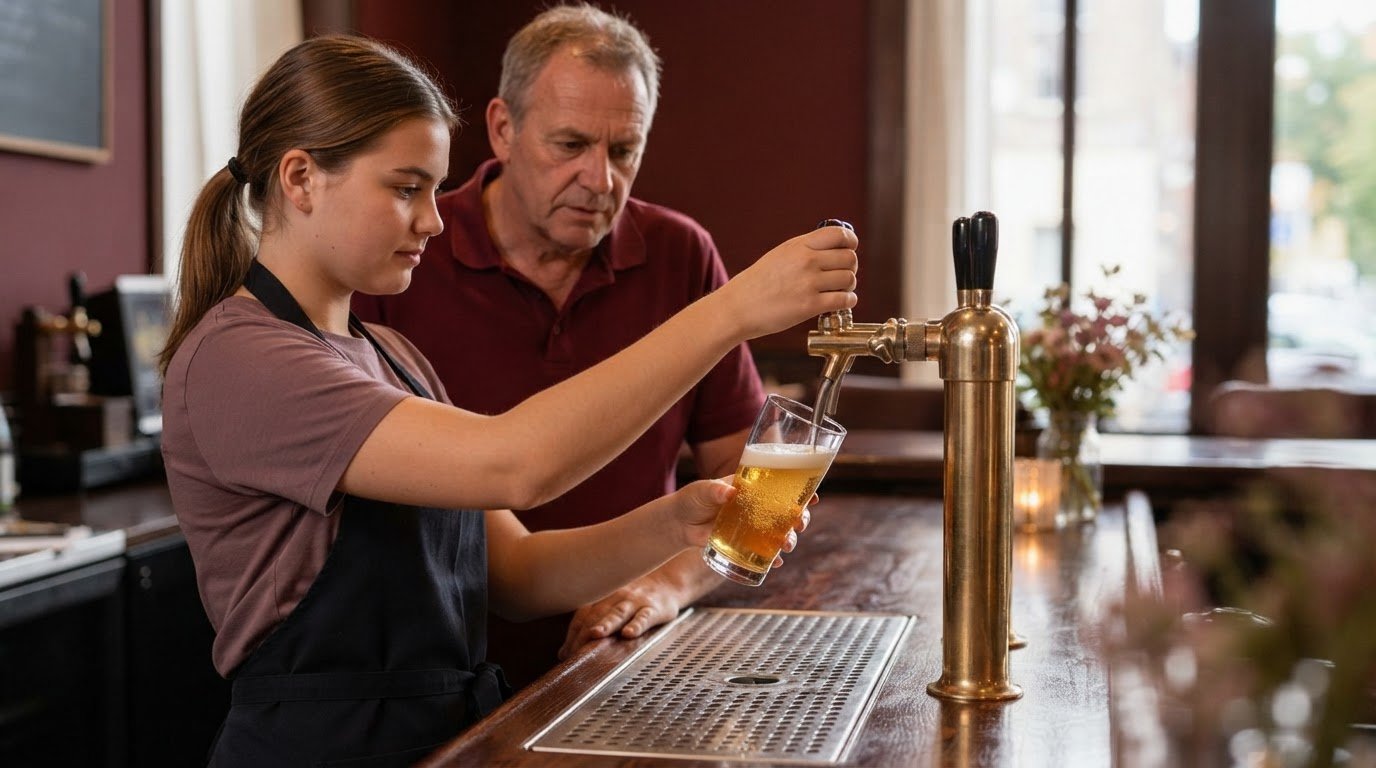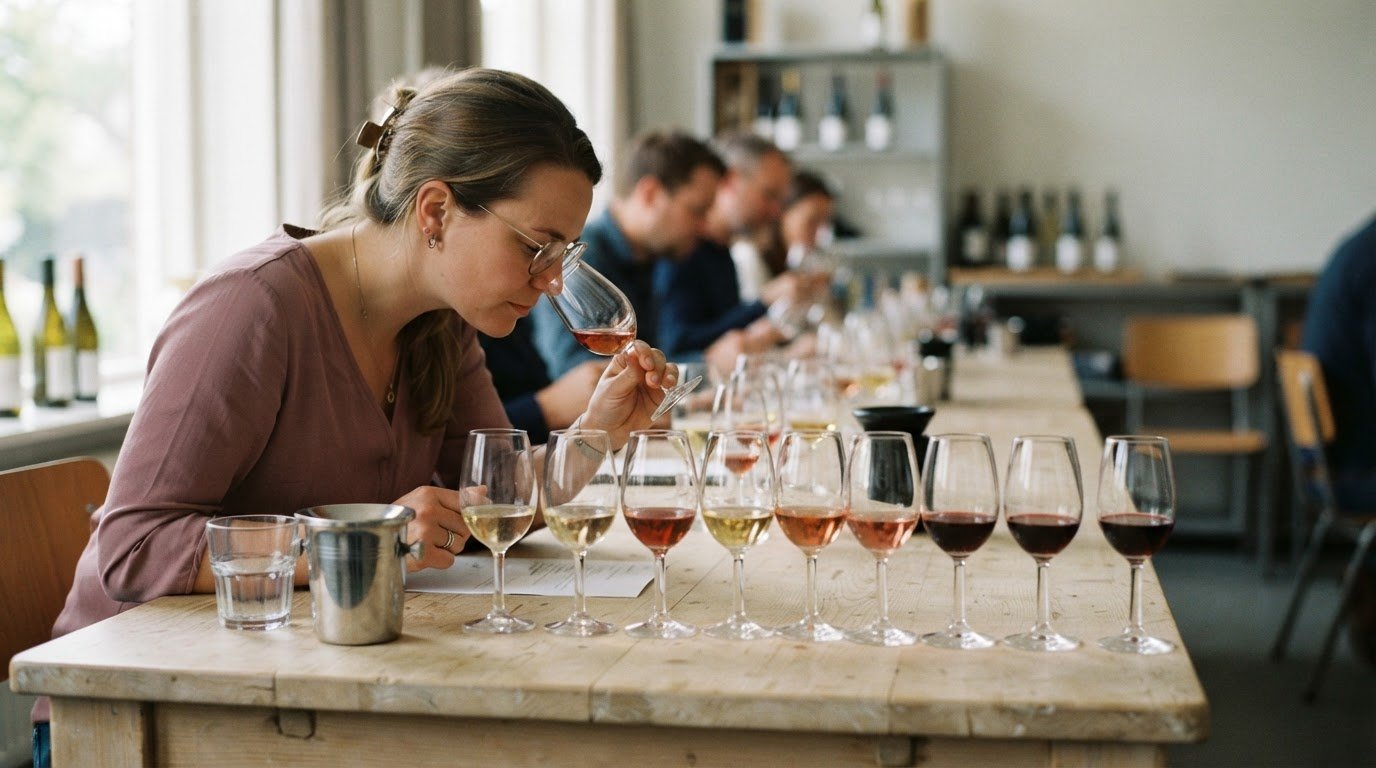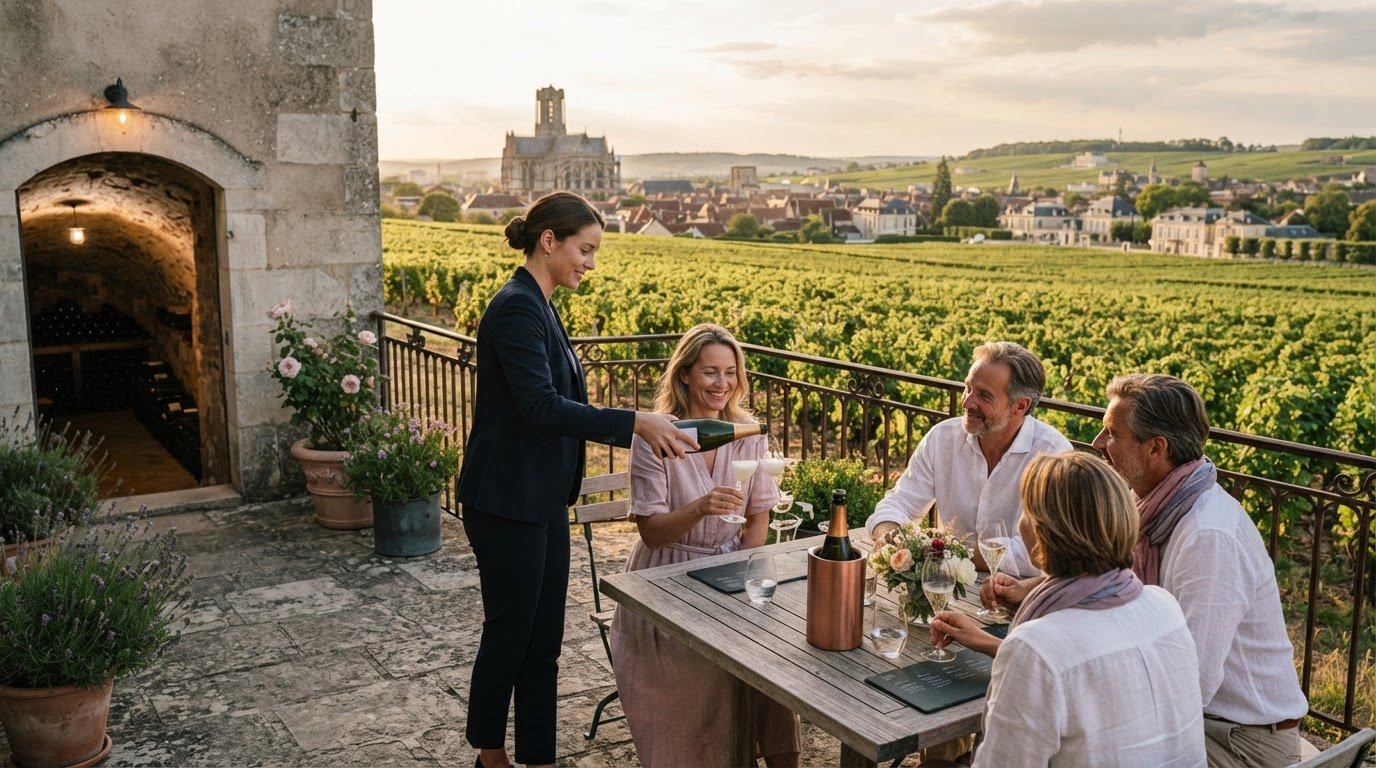

The wine tasting exam requires more than just a good nose: you taste twelve wines blind and must correctly identify at least eight of them. For the vinologist training programme, you also sit four module exams. This immediately makes it clear what the examination demands: applying your wine knowledge and honing your tasting technique.
That sounds demanding, especially if you are studying alongside work. With focused preparation and regular practice, you will steadily build up confidence step by step. In this article, you will read about what prior knowledge comes in handy, how to begin the vinologist training, and what you can expect from the modules and the tasting exam. You will also find out how many wines you taste during the course and how the examinations are structured. This provides you with a clear picture of the effort and expertise required for this pathway, helping you decide whether it fits your experience and ambitions in the wine world.
Key takeaways
- Discover how the programme is structured and which components enhance your knowledge and tasting skills.
- Learn what role your prior education plays and how you can determine whether you are ready to begin.
- Gain insight into the theory exams and how best to prepare for them.
- Understand what the blind tasting exam demands of you and how to work systematically on your tasting technique.
And the wine tasting exam?
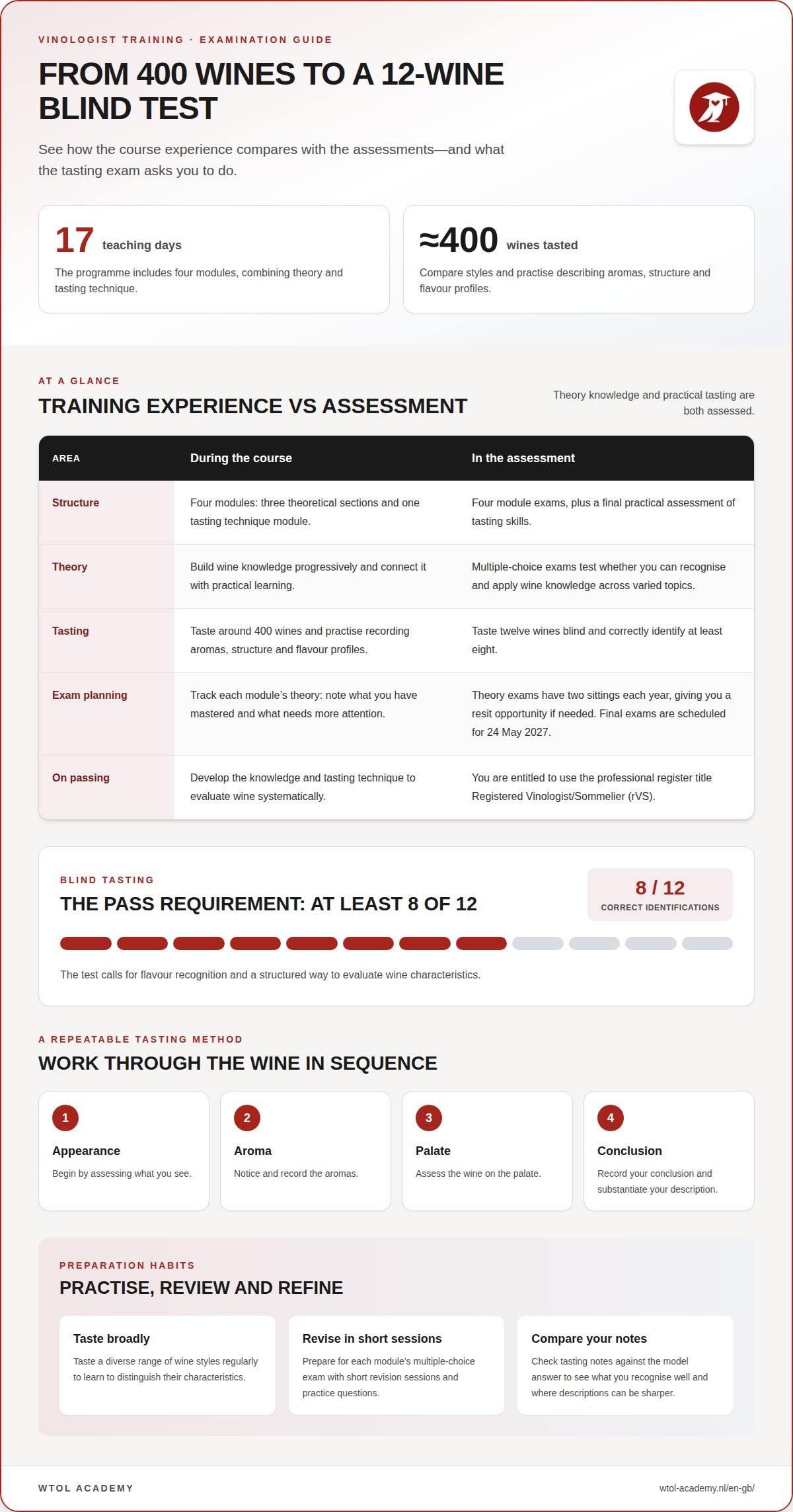
The examination combines theoretical knowledge with blind tasting. You sit four module exams along with a final practical assessment of your tasting skills.
Theory exams and resits
The theory exams consist of multiple-choice questions. You need to recognise and apply wine knowledge across questions covering diverse topics. There are two examination sittings each year. This gives structure to your planning and provides an opportunity should you need to resit an exam. The course consists of four modules. It is wise to track module by module which theory you have mastered and which topics require extra attention.
Examination and register title
Upon passing the exam, you are entitled to use the professional title Registered Vinologist/Sommelier (rVS). This register title demonstrates that you have completed the examination and proven the corresponding professional expertise. The final exams are scheduled for 24 May 2027. Take a look at the vinologist training at WTOL Academy to explore the exam-focused curriculum.
Course hours and final exams
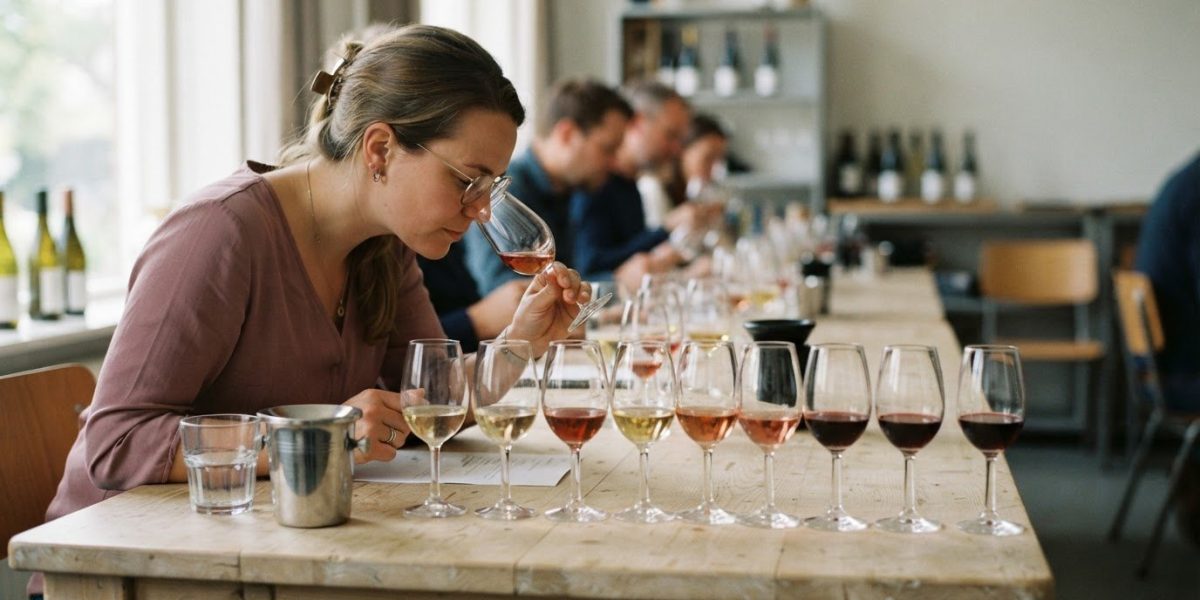
The course comprises 17 teaching days, during which students taste around 400 wines. The qualification requires passing four module exams, including a blind tasting assessment. During this assessment, you taste twelve wines and must correctly identify at least eight. This test demands not only flavour recognition, but also a structured approach to evaluate characteristics systematically.
Study and exam tips
Practise blind tasting using a fixed sequence: assess the appearance first, followed by aroma and palate, and finally record your conclusion. Taste a diverse range of wine styles regularly to learn to distinguish characteristics more effectively. Prepare for each module’s multiple-choice exams using short revision sessions and practice questions. Compare your tasting notes against the model answer during training sessions. That way, you will see which features you recognise well and where your tasting notes could be sharper.
How do you start the vinologist training?
In the Netherlands, you can pursue the SVH Vinologist/Sommelier programme. The vinologist training combines theory with tasting technique, split across four modules. Course providers determine their own teaching formats and locations.
Course duration
The programme spans 17 teaching days. The author completed the training in about eighteen months. Alongside the sessions, set aside roughly one study day per week for preparation and self-study. Plan not only around teaching days, but also around busier periods at work. This enables you to map out where your study hours fit in advance. The total commitment depends partly on how much time you need to absorb the course material and build up tasting experience.
Topics and practical components
The four modules consist of three theoretical sections and one tasting technique module. In sections A and B, you build your knowledge progressively and link theory directly to practice. Students taste around 400 wines during the course. Compare styles and record aromas, structure, and flavour profiles. Putting your sensory observations into words trains you to articulate and substantiate a detailed tasting description.
In doing so, you learn not only to memorise wine facts, but also to apply that knowledge when evaluating wine in practice.
Regional and online courses
Course availability and teaching formats vary by region and provider. Compare locations, lecture dates, and the balance between online theory and hands-on tasting practice. A vinologist training programme requires real-world tasting; digital lessons cannot replace that practical experience. Explore the various training options and consider which balance suits your work schedule and learning style. In the Netherlands, location and teaching delivery are essential practical factors to keep in mind when making your choice.
Admission and required prior education
A successful start begins with a realistic view of your current wine knowledge. Check what prior knowledge the programme expects, such as foundational understanding of grape varieties, wine regions, and tasting technique. A previous wine qualification can be a big help in becoming familiar with these topics, though it is not always a mandatory formal entry requirement.
Use your working experience in hospitality or wine service as a foundation. Can you explain to guests how a wine tastes, but find origin or vinification more challenging? Then you know which areas of knowledge you want to develop further. The vinologist training demands more than personal flavour preference: you must name, compare, and substantiate characteristics. A realistic assessment of your current level will help you begin your studies with focus.
A sensible learning route can progress via SVH Wine 1, SVH Wine 2, and SVH Wine 3 (Wine Certificate). These steps offer a clear pathway to build your wine knowledge gradually before embarking on advanced study. Pay close attention to topics you have already mastered and areas where you still need practice. This prevents basic concepts from feeling completely unfamiliar during an intensive course.
Before you begin, compare your existing experience against the syllabus. Note down, for instance, which wine regions you know, how often you taste blind, and whether you can justify your tasting notes. Then discuss with the course provider how your background aligns with the entry requirements. If you would like to explore options first or strengthen your baseline knowledge, explore the wine courses and pick the next step that suits you best.
WTOL Academy
WTOL Academy helps you determine which step aligns with your wine knowledge and ambitions. Do you feel the need for a firmer foundation before advancing your studies? With SVH Wine 3 (Wine Certificate), you delve into wine knowledge tailored to working in hospitality and the wine trade. This allows you to assess more precisely which knowledge you already possess and where you would like to grow.
Thorough preparation starts with a clear picture of your experience. Map out your knowledge of wine regions, grape varieties, and tasting technique. Consider how that foundation fits your learning goal and which qualification builds upon it. This ensures you choose a route suited to your professional development, without missing essential steps along the way.
Would you like to discuss which learning path matches your background and plans? Have a look at the Vinologist/Sommelier programme at WTOL Academy.
Take your next step in wine knowledge
A vinologist training programme not only deepens your knowledge, but also helps you cultivate a professional perspective. Consider which learning objective matters most right now: gaining a firmer grasp of wine theory, sharpening your tasting ability, or elevating your hospitality expertise. Guided by that goal, you can select a pathway tailored to your experience and ambitions without rushing your development unnecessarily.
Looking to build your foundation first? WTOL Academy offers SVH Wine 1, SVH Wine 2, and SVH Wine 3 (Wine Certificate). These programmes can cater to different stages in your growth. Discuss which route suits your current level and where you wish to head. View the wine courses and discuss your options. With a defined learning goal, the next step in your wine craft becomes far more tangible, allowing you to advance in a way that matches your professional plans.
Frequently asked questions about the vinologist training
How do you prepare for the theory exams?
Divide your revision by topic and turn challenging concepts into short practice questions. Think of grape varieties, wine regions, and production methods. For each wine area, link the primary grapes to their typical styles. After a mock exam, compile a list of your mistakes and establish why your answer was incorrect. In this way, you practise not just recall, but also applying your wine knowledge.
How can I become a vinologist at an official higher professional education level?
The Vinologist/Sommelier training leads to the rVS® title. This is a registered professional title rather than a higher professional education (bachelor) degree. If you wish to know whether a qualification meets formal degree level, look at the qualification awarded and its corresponding educational framework. Be sure to distinguish between a specialised vocational title and a higher professional education degree.
What is the vinologist course like, and what can you do with it?
The course requires you to combine wine knowledge with meticulous tasting and clear explanation. You can apply these skills directly in practice through wine advice, curating a wine list, or sharing wine insights with guests and colleagues. How you apply the training depends on your role and interests. Articulating a tasting note clearly, for instance, is equally valuable when dealing with guests and during internal staff training.
How do I become a vinologist?
Start by assessing your existing wine knowledge and practical experience. Next, choose the Vinologist/Sommelier course and prepare thoroughly for both the theory and blind tasting exams. After passing the official SVH examination, you are entitled to hold the rVS® title. Keep your prior knowledge and work-study balance in mind when selecting your programme.
How much time does the vinologist training take?
Alongside teaching sessions, allow adequate time for independent study and tasting practice. How you divide these hours depends on your prior knowledge, work schedule, and existing tasting experience. Schedule regular study blocks and set aside time to review your tasting notes. During busy work weeks, shorter, regular revision sessions can help, whilst quieter periods allow for longer, dedicated study sessions.