


Imagine that the best wine you taste this year doesn’t come from France or Italy, but right from our own polders. The buzzing question amongst winemakers is the same everywhere: will 2026 be the best Dutch wine year ever? We understand that it can be tricky to distinguish quality between different years, especially now that the climate so strongly influences the flavour profiles in the vineyard. You probably recognise the uncertainty when you stand in front of a shelf of local grape varieties and don’t quite know what the harvest has done for the balance in your glass.
In this article, you’ll discover why 2026 promises to be a historic year and how you can learn to recognise this quality like a true connoisseur. We’ll take you through the impact of stable weather, the rise of crisp wines, and the new labelling rules that have been in force since March 2026. After reading, you’ll understand exactly which grapes excel this year and what makes a year a ‘top year’, so you can confidently taste and assess Dutch wine.
Key Points
- Discover how the unique weather conditions of this growing season contribute to the pressing question: will 2026 be the best Dutch wine year ever?
- Learn to recognise the shift from hybrid varieties to classic grapes and the enormous leap in quality of Dutch sparkling wines.
- Develop your tasting skills with the SVH method to objectively assess the balance, acidity, and finish of the 2026 harvest.
- Gain insight into technical aspects such as phenolic ripeness that determine whether a vintage truly goes down in history as a top year.
What makes a year like 2026 a potential top year?
When we talk about an exceptional year, we look beyond just the number of sunshine hours. The question “Will 2026 be the best Dutch wine year ever?” ultimately depends on the physiological balance in the grape. A top year occurs when sugars, acids, and phenolic ripeness are perfectly balanced. In 2026, the stable weather created a dream scenario in many vineyards. Because there was less rainfall during the critical growth phases, fungi had little chance, and less intervention was needed.
This lack of heavy intervention leads to a purer terroir profile. The grape is given the space to unfiltered convey the specific characteristics of the soil and climate. Furthermore, due to ongoing climate change, Dutch vineyards benefit from warmer summers. This allows the grapes to reach sugar levels that were previously unthinkable, whilst the cool nights protect the essential acids that make our wines so unique.
Climate and Terroir in the Dutch Vineyard
During a relatively dry year like 2026, the soil conditions and microclimate work intensively together. Grapevines must root deeper to find water, which directly strengthens the concentration of aromas in the grape. For classic varieties such as Pinot Noir, a long, mild late summer is particularly crucial. This period ensures that the tannins and colour compounds fully ripen, without the wine losing its freshness. For those who truly want to understand these complex processes, the vinologist training offers the deep insight needed to interpret the nuances of such a historic year.
The Rise of Dutch Quality Wine in 2026
This professionalisation immediately raises the question: will 2026 be the best Dutch wine year ever? The answer lies in the growing craftsmanship. Dutch winemakers are now matching international standards by combining innovative techniques with a deep respect for nature. This results in wines that are not just “interesting”, but simply outstanding in their category. To truly appreciate these subtle quality differences, education is essential. You only truly learn what makes a wine special when you understand the theory behind the practice. A good foundation can easily be laid through one of the accredited courses in this field.
Why Sparkling Wine from the Netherlands is Conquering the Market
Sparkling wines from our own country, in particular, have experienced explosive growth. In a top year like 2026, the technical challenge with the ‘méthode traditionelle’ is to find the perfect balance between the crisp acidity and the ripe aromas that develop during the second fermentation in the bottle. Dutch fizz is now being blind-tasted alongside the world’s most iconic sparkling wines. The refined mousse and complex notes of brioche and ripe fruit show that our climate is extremely suitable for this prestigious style.

How to Recognise the Quality of the Harvest Yourself
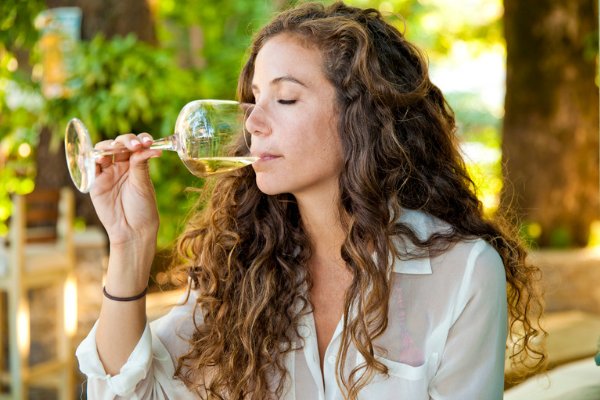
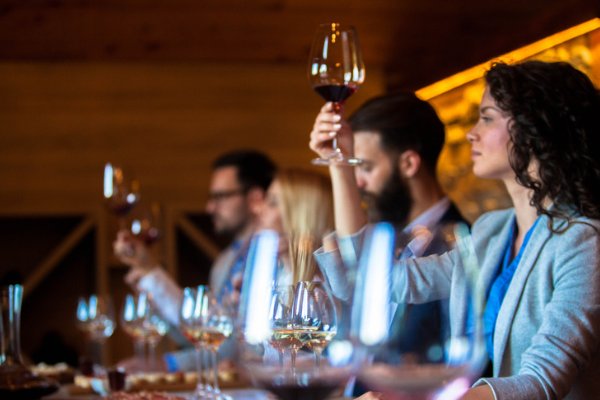
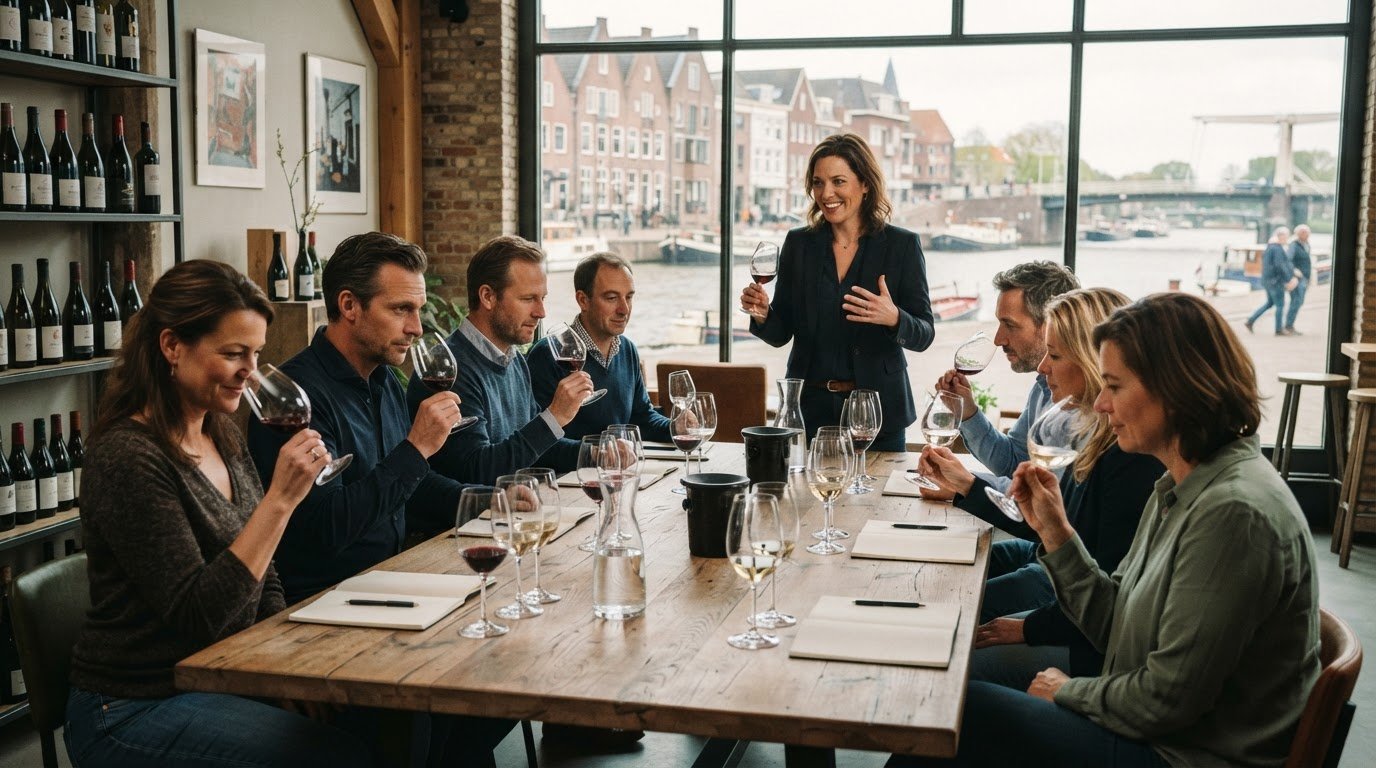
To determine for yourself whether the question “Will 2026 be the best Dutch wine year ever?” can be answered with a resounding ‘yes’, you need an objective method. The SVH method provides the perfect framework for this. You start by assessing the colour and clarity, followed by the intensity and complexity of the aromas. In a top year like 2026, the scents are often layered and concentrated, without appearing tired.
During tasting, you specifically pay attention to the following three pillars of balance:
- Acid Structure: Are the acids lively and supportive of the fruit, or are they too sharp?
- Alcohol and Body: Does the wine feel harmonious in the mouth, without a burning sensation in the throat?
- Finish: How long do the flavours linger after you’ve swallowed the wine?
A crucial detail that is often overlooked is the serving temperature. To capture the subtle nuances of this vintage, you should preferably serve white wines between 8 and 12 degrees. Red wines from 2026 are best enjoyed around 16 degrees, so that the tannins remain soft and the fruit speaks optimally.
From Enthusiast to Connoisseur with a Wine Course
Training your palate is a process of doing and comparing. A basic course like SVH Wine 1 helps you put the theory behind this tasting method directly into practice. You learn to understand the nuances of 2026 by comparing them to previous years. For those who truly want to delve deeper and dream of mastery, the path to becoming a vinologist is the ultimate step. With this, you transform from an enthusiastic amateur to a respected expert who understands the Dutch wine world down to the smallest detail.
Ready for the Harvest of the Future
The question “Will 2026 be the best Dutch wine year ever?” shows that our viticulture is accelerating. You now have a clear picture of the physiological balance that defines a top year and the rise of classic grape varieties in our own vineyards. Whether it’s a complex Pinot Noir or a refined fizz, the 2026 harvest offers a unique opportunity to elevate your palate.
To truly appreciate these historic wines, expertise is indispensable. At WTOL Academy, you learn from accredited educators with an enormous passion for the profession. Do you want to become a wine expert yourself? Check out our courses! Our SVH-accredited training courses offer nationwide coverage for every ambitious wine enthusiast. Seize this opportunity for personal enrichment and toast to a brilliant Dutch wine year.
Frequently Asked Questions about Dutch Wine in 2026
What are the main characteristics of a good Dutch vintage?
The main characteristics are a perfect balance between sugars, acids, and the phenolic ripeness of the grapes. In the Netherlands, a dry late summer is particularly essential to allow the fruits to ripen fully without losing their natural freshness. A stable growing season also ensures healthy grapes with lower disease pressure, allowing the winemaker to preserve the pure expression of the terroir.
Which Dutch grape varieties are performing particularly well in 2026?
In 2026, classic grape varieties such as Pinot Noir, Chardonnay, and Riesling particularly excel due to the favourable weather conditions. Where these varieties sometimes struggle with full ripeness in cooler years, this year’s stability ensures excellent structure and depth. The quality of sparkling wines is also exceptionally high, as the grapes have retained their essential acids despite the warm summer days.
Is Dutch wine from 2026 better than that from previous years?
Whether the pressing question “Will 2026 be the best Dutch wine year ever?” can be answered with a ‘yes’ depends on the synergy between climate and growing craftsmanship. Compared to previous years, the 2026 harvest benefits from a unique combination of warmth and a healthy growth cycle. The wines show more international potential than ever before, making this year a serious candidate for the title of historic top year.
How can I learn to assess the quality of wine myself?
You learn to best assess the quality of wine by learning a structured tasting method, such as the SVH method. This involves systematically looking at colour, aroma, and the complexity of the flavour balance. By practising a lot and tasting different vintages side-by-side, you develop your palate. Following an accredited course helps you to recognise these nuances more quickly and to taste with more confidence.