

What if your practical knowledge of wine didn’t just inspire guests, but also helped the next generation of hospitality professionals thrive? At WTOL Academy, wine tutors are wanted in various regions. What does teaching require of you, and how can you use your experience and expertise in wine education?
A good wine lesson makes theory understandable and applicable. Consider grape varieties, wine regions, and tasting profiles: learners benefit not only from explanations, but also from relatable real-world examples. WTOL Academy provides SVH Hospitality Qualifications, combining practical training with e-learning. As a tutor, you can connect your expertise to courses focused on SVH wine knowledge.
Here you can find out what to consider if you’re thinking about becoming a wine tutor, how to translate hands-on experience into an engaging lesson, and which courses can deepen your own wine expertise.
Key Takeaways
- Discover how to translate your experience in hospitality or the wine industry into clear, practical wine lessons.
- See how to structure a wine topic: from explanations and tasting notes to a real-world workplace example.
- Explore which wine knowledge you would like to develop further with SVH Vinologist or SVH Practical Trainer. These courses are not presented here as entry requirements for the tutoring role.
- Read the call for Wine tutors wanted in various regions and discover whether sharing knowledge suits you.
Wine tutors wanted in various regions: what does the role involve?
A wine tutor helps learners understand and apply wine knowledge. That requires more than simply sharing facts about grape varieties or wine regions: you demonstrate how learners can identify, articulate, and use that knowledge. WTOL Academy is looking for wine tutors with knowledge and experience in the hospitality or wine industry.
A wine tutor connects wine knowledge with practical experience and makes course material relatable for learners.
The call Wine tutors wanted in various regions can be found on the Wine tutors wanted in various regions page. That announcement is a great opportunity to explore how your knowledge and experience can fit into wine education.
What experience does a wine tutor bring?
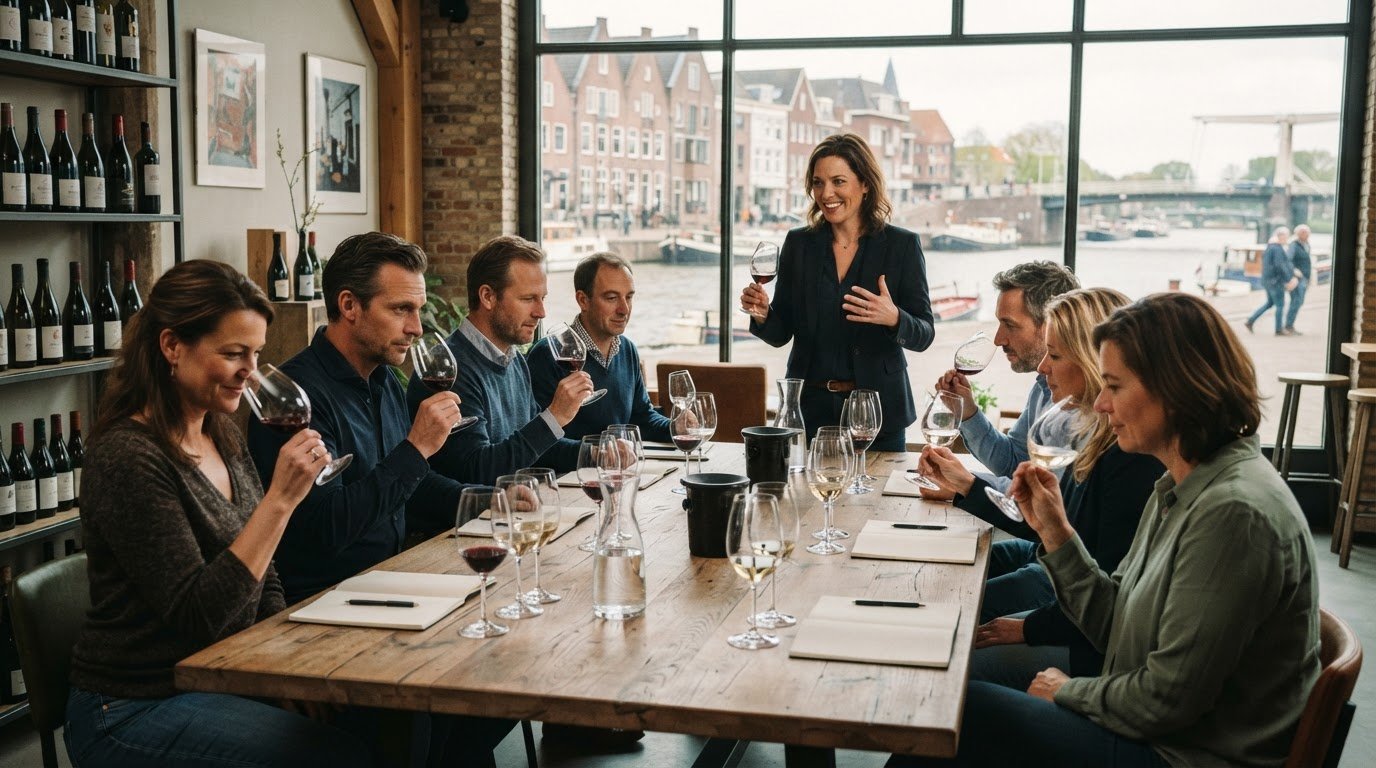
Experience from the hospitality or wine industry provides context to topics that might otherwise remain abstract. For example, during a lesson on flavour profiles, you can have learners practise describing what they taste. Afterwards, you can discuss how to explain those characteristics clearly to a guest or colleague. This way, you connect subject matter directly to situations learners encounter in their day-to-day work.
Your career can be a rich source of examples. Pick a topic you know inside out and build your explanation step by step: what do learners need to understand, which terms do they need, and which practical example brings the topic to life? Then, encourage learners to put the knowledge into their own words. That quickly shows which concepts are already clear and where extra explanation is needed.
If you want to deepen your own wine expertise, you can look into SVH Vinologist. WTOL Academy provides SVH wine qualifications. A course can help broaden your subject knowledge, but it is not presented here as a mandatory prerequisite for the tutoring role. The call Wine tutors wanted in various regions is meant for anyone who wants to explore how their professional skills and practical experience can find a place in wine education.

How WTOL Academy supports wine tutors with their lessons
WTOL Academy combines hands-on training with e-learning within SVH Hospitality Courses. For learners, there are also complimentary introductory modules covering Food, Wine, and Hospitality. This combination offers diverse ways to acquire knowledge: both in practice and online. As a tutor, when preparing a lesson, you can consider what learners can explore independently first and which topics truly require explanations, questions, or hands-on practice.
What do these support options mean in practice?
A clear lesson begins with a concrete learning objective. Do you want learners to identify a wine characteristic, formulate a tasting note, or link their knowledge to a workplace scenario? Next, choose an example that fits that goal and build your explanation around it. E-learning can form part of the learning pathway; during a lesson, you can build on the knowledge learners have gained online.
This approach helps you avoid a common pitfall: covering too much information all at once. Limit the lesson to a coherent topic, explain technical terms clearly, and give learners space to apply the knowledge in their own words.
- Lesson objective: define in advance what learners should understand or be able to explain by the end.
- Practical example: link theory on flavour or wine characteristics to a recognisable working situation.
- E-learning: use online learning as part of a blended learning pathway alongside practical training.
- Feedback: have learners articulate a concept or tasting note themselves, and discuss anything that still needs clarification.
With a clear learning objective, a relatable example, and room for practical application, wine knowledge becomes far more effectively integrated into practice.
WTOL Academy delivers SVH Hospitality Courses both in-person and via e-learning. The offering includes SVH Hospitality Qualifications, featuring training programmes for professionals seeking to advance in wine and hospitality. Take a look at the call for wine tutors wanted in various regions if you’d like to explore how your experience fits into wine education.
Is becoming a wine tutor right for you? Explore your next step
Sharing wine knowledge requires more than just enthusiasm for wine. You need to be able to explain information clearly and genuinely enjoy guiding learners. Consider what appeals to you: do you want to share insights from your work in hospitality or the wine sector, immerse yourself further in wine, or help others expand their expertise?
These questions can help make your motivation more concrete:
- Which wine topics do you enjoy explaining most?
- Which example from your work makes a wine topic easier to grasp?
- Do you enjoy answering questions and helping learners gain new insights?
- Which subjects would you like to learn more about yourself?
There is no need to have a complete lesson plan ready right away. Start, for instance, with a single topic you know well. Consider what a learner needs to take away from it, which terms need explaining, and how you can verify whether the explanation hit the mark. This will give you a clearer picture of what you can contribute as a tutor and where you would like to grow.
The call Wine tutors wanted in various regions offers a great next step if you want to explore whether your knowledge and experience align with the role.
Which wine course suits your learning interests?
A qualification can help you develop your own wine knowledge even further. WTOL Academy offers SVH Vinologist, providing wine training from foundation level through to Vinologist/Sommelier. Which advanced level suits you depends on your current knowledge and the topics you want to explore in greater depth. The course is not listed here as an admission requirement for tutors.
SVH Practical Trainer (Leermeester) can also be valuable if you wish to develop your skills in mentoring and coaching others. Explore the courses at WTOL Academy and compare the syllabus with your personal learning goals.
Give your wine knowledge a new purpose
Perhaps you already share wine knowledge regularly at work, or help colleagues better understand flavour profiles and wine selections. That can be a great starting point to explore whether teaching is right for you. Ask yourself which topics you love explaining and which real-life examples from your experience could benefit learners.
You can start small by developing a single lesson topic. Choose a clear learning objective, highlight key terms, and think about how learners can put the knowledge into practice themselves. This will help you discover which aspects of teaching you enjoy most and where you still want to develop.
View the call for wine tutors at WTOL Academy and explore how your knowledge and practical experience can enrich wine education.
Frequently Asked Questions about becoming a wine tutor
What does a wine tutor do at WTOL Academy?
A wine tutor helps learners understand and apply wine knowledge. For example, you might provide explanations of flavour characteristics and demonstrate how to describe them clearly. By linking theory to relatable situations from hospitality or the wine trade, the material becomes much more tangible. WTOL Academy provides SVH wine qualifications as part of its curriculum.
How do you become a recommended wine tutor at WTOL Academy?
WTOL Academy has issued a call for wine tutors across various regions. The organisation highlights industry expertise and hospitality experience as key qualities of recommended tutors. Consider what knowledge and practical examples you can bring to the table, and check out the call for wine tutors wanted in various regions for more details on the role.
What support does a wine tutor receive from WTOL Academy?
WTOL Academy combines practical hands-on training and e-learning within SVH Hospitality Qualifications. In addition, there are free introductory modules on Food, Wine, and Hospitality. As a tutor preparing lessons, you can decide how classroom time and online study complement each other—for example, by introducing a topic online first and building on it during the session.
Do you need to complete a wine course before becoming a wine tutor?
A formal wine qualification is not stated here as a mandatory condition for the tutoring role. If you want to develop your wine knowledge further, WTOL Academy offers courses including SVH Vinologist. Which level suits you best depends on your learning goals and personal interests. Your practical workplace experience also plays a vital role in connecting wine knowledge with relatable examples.