What if you used a festival visit not just to taste wine, but also to discover what makes your glass special? On the website, you will find information about Wijnfestival Lage Landen, where wines from the Netherlands and Belgium take centre stage. Perhaps you don’t know much about wine from the Low Countries yet, or find it difficult to pinpoint why one wine tastes fresher, fuller, or more savoury than another.
With a few targeted tasting questions, you will get more out of every encounter. Which aromas do you recognise? How does the wine feel on the palate? And does your impression change when you taste the wine alongside food? In this guide, you will read how to taste more mindfully and better recognise differences between wines. You will also discover how to deepen your knowledge further, for instance with a Dutch wine course or training through WTOL Academy.
Key Takeaways
- Discover why wines from the Netherlands and Belgium take centre stage at https://wijnfestivallagelanden.com.
- Taste step by step: look, smell, and taste. Pay attention to aroma, acidity, sweetness, body, and finish.
- Note down three discoveries afterwards and choose one topic to explore further.
- Delve deeper into aromas, grape varieties, and food and wine pairing with a wine course from WTOL Academy, via classroom-based lessons or e-learning.
What is Wijnfestival Lage Landen and why is wine from the Low Countries the focus?
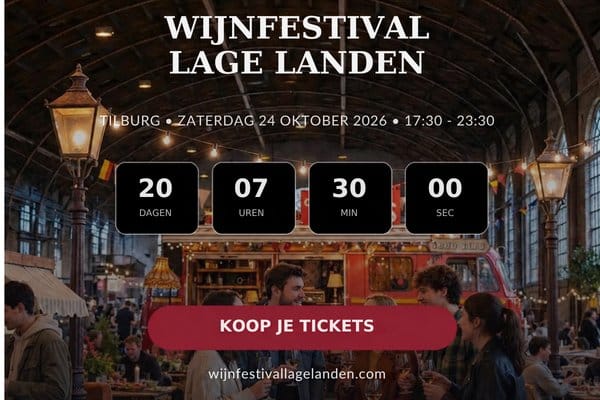
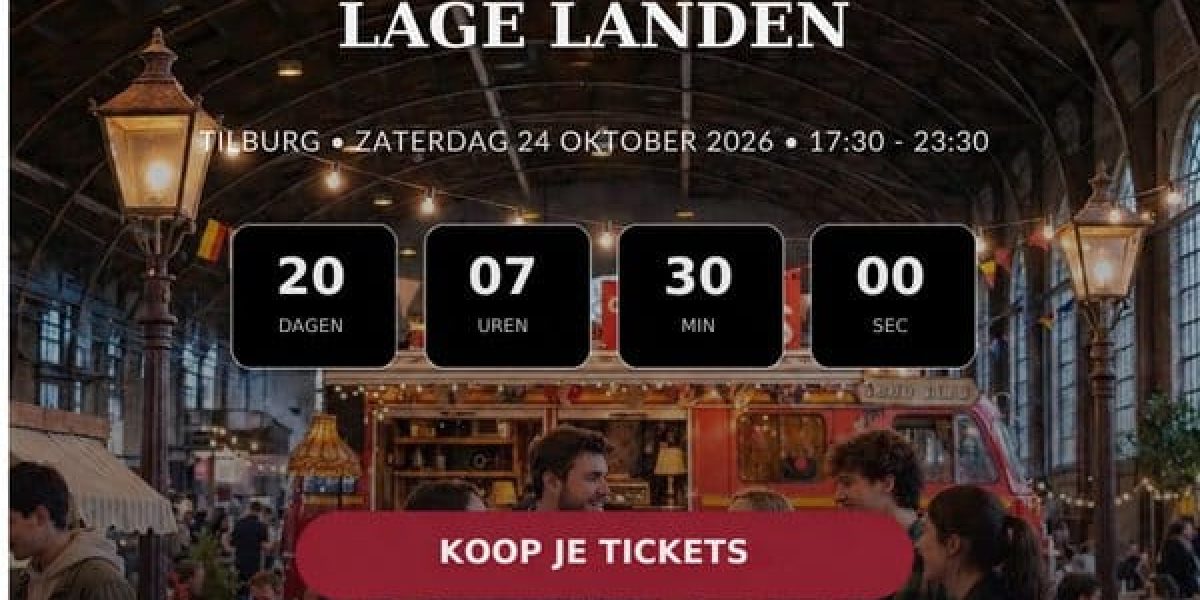
Wijnfestival Lage Landen is a tasting festival that puts wines from the Netherlands and Belgium firmly in the spotlight. The name therefore refers to viticulture from those two countries. You can discover various local wines side by side and learn more about the craft behind the glass. Take a look at the current festival format and practical details at https://wijnfestivallagelanden.com.
You don’t need to be a wine connoisseur to join in. Start with what you notice yourself: does the wine smell of fruit, flowers, or spices? Does it feel fresh and light, or rather fuller-bodied? Asking a winemaker a question can help you connect your first impression to decisions made in the vineyard and cellar. Tasting is not a test with right or wrong answers, but a way to learn how to recognise differences.
Which wines from the Netherlands and Belgium can you discover there?
The range on offer can vary with each edition. Consult the official festival information for participating winemakers and wines. If a grape variety is mentioned, note it down alongside your tasting impression. Pay attention to terroir as well: the influence of where the grapes are grown, such as the soil and the local climate. Compare two wines and ask what, in the producer’s view, explains the differences in aroma or flavour.
Would you like to put your impressions into context after the festival? A structured introduction helps you connect your tasting experiences with wine terminology and knowledge. Explore the wine courses as an introduction to wine knowledge and discover how you can continue learning step by step.
How do you taste wine more mindfully and with more enjoyment at Wijnfestival Lage Landen?
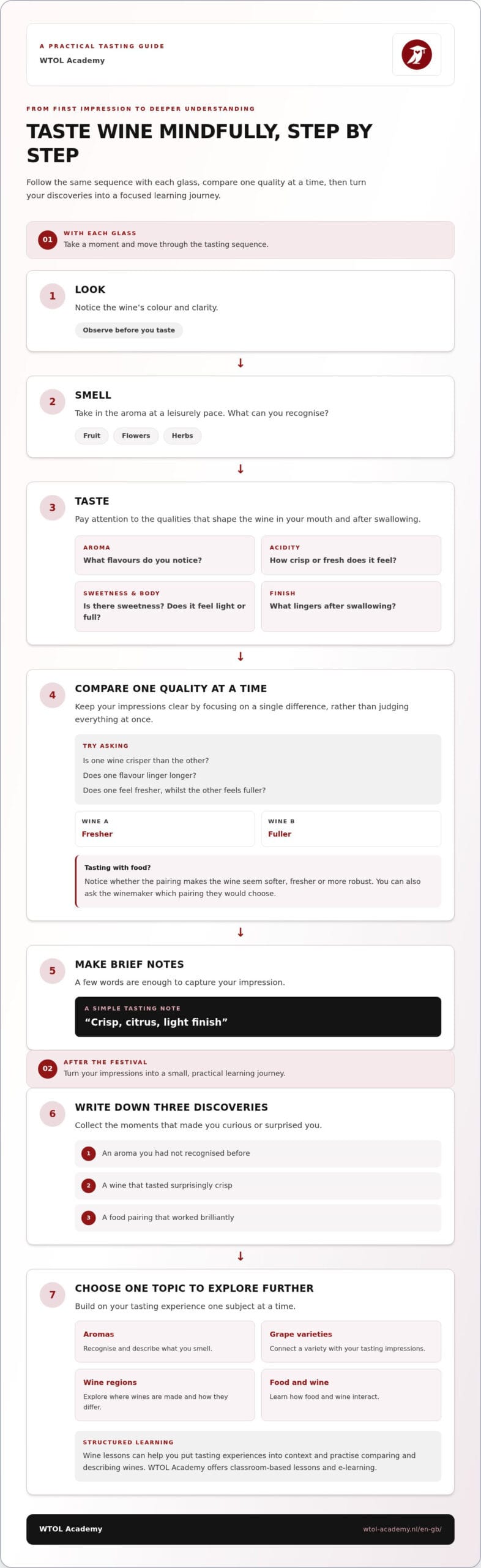
A festival tasting does not need to be complicated. Take a moment with each glass and follow the same sequence every time. That makes it easier to compare wines without having to master technical jargon straight away. You can use the tasting method below for every wine you discover.
- Look: pay attention to the colour and clarity of the wine.
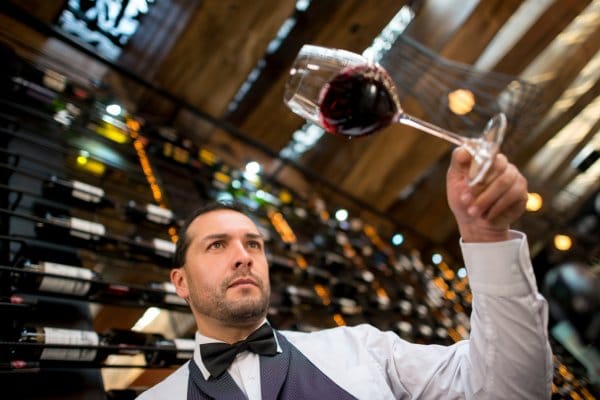
- Smell: take in the aroma at a leisurely pace. Can you recognise fruit, flowers, or herbs, for instance?
- Taste: look out for aroma, crispness from acidity, any sweetness, how full the wine feels in the mouth, and what lingers after swallowing.
- Make notes: write down a few words, such as "crisp, citrus, light finish". A brief impression is plenty.
Which questions help you understand a wine better?
Ask yourself which aromas or flavours you recognise and whether the wine feels light or full-bodied. Then compare one characteristic at a time. Is one glass crisper than the other? Does the flavour linger longer? By not trying to judge everything at once, you prevent your impressions from becoming muddled. Note your observations down side by side, for example: wine A is fresher, wine B feels fuller.
If you are tasting wine with food, notice how the pairing alters your impression. A dish can make the wine seem softer, fresher, or more robust. Ask which pairing the winemaker would choose personally and mindfully taste what happens. Would you like to learn to better recognise aroma, structure, and food and wine pairing? Then explore the wine courses from WTOL Academy, where you can link practical tasting experiences to broader wine expertise.
How do you turn festival experience into greater wine knowledge?
After visiting https://wijnfestivallagelanden.com, you may have plenty of impressions to digest. Turn them into a small learning journey. Note down three discoveries—such as an aroma you hadn’t recognised before, a wine that tasted surprisingly crisp, and a food pairing that worked brilliantly. Then choose one topic to study further. That way, you give your curiosity a practical follow-up.
Structured wine lessons help you place your tasting experiences in context. You delve into aromas, grape varieties, and wine regions, and learn how food and wine interact. You will also practise comparing and describing tasting impressions. At your next tasting, you will be able to focus more purposefully on what you smell and taste, rather than simply deciding whether you like a wine or not.
When is a wine course the right next step for you?
Would you like to build a solid foundation first? An introductory wine course is designed for anyone looking to build wine knowledge in a structured manner. The course will suit you if, after a festival, you want more confidence when tasting and wish to understand more about wine. Check out the details about the wine courses and see how what is on offer aligns with your learning goals.
If your interest is already well established, explore the follow-up steps within wine qualifications. WTOL Academy provides wine courses through classroom lessons and e-learning. View the overview of wine courses and select a path that matches what you want to learn.
Take your curiosity to your next tasting moment
Wine from the Low Countries is best explored with an open mind. Use https://wijnfestivallagelanden.com to prepare for the festival. Whilst tasting, looking, smelling, tasting, and noting down brief points will give your impressions structure. Always focus on one difference at a time, such as freshness or finish. That makes it easier to pinpoint what appeals to you.
Afterwards, you don’t have to learn everything at once. Write down three discoveries and pick one subject to explore in greater depth, such as aroma, grape varieties, or food and wine pairing. WTOL Academy offers SVH wine courses from Wine 1 up to and including Vinologist, with classroom-based lessons and e-learning. This allows you to expand your knowledge step by step, tailored to your interests.
Discover the wine courses at WTOL Academy and pick the next step that suits you. Every new tasting experience can enrich your perspective on wine.
Frequently Asked Questions
What is Wijnfestival Lage Landen?
Wijnfestival Lage Landen is an event dedicated to wine from the Low Countries, including the Netherlands and Belgium. The format and participants may vary by edition. Check the official information at https://wijnfestivallagelanden.com for current details. You don’t need extensive prior knowledge: taste with curiosity, smell and observe what catches your eye, and note down your impressions.
Which wines can you taste at Wijnfestival Lage Landen?
The wine selection depends on the edition. Consult the official festival information for participating winemakers and wines. Compare the wines by paying attention to aroma, freshness, structure, and finish. That way, you discover differences without making prior assumptions about grape varieties or producers.
How do you taste wine as a beginner at a wine festival?
Start by looking at the colour, take a gentle smell of the glass, and then take a sip. What do you recognise? Think of fruit, a fresh impression, or a full flavour. You don’t need to use complicated wine terms. Jot down a few words and compare one characteristic with the next wine—for instance, which wine feels fresher.
Can I develop my wine knowledge further after a festival?
Yes. Use your tasting notes to pick a topic you want to understand better, such as grape varieties, aromas, or food and wine pairings. A structured course helps you build that knowledge step by step. SVH Wine 1 is an ideal foundation route. WTOL Academy offers SVH wine courses from Wine 1 up to and including Vinologist, via classroom lessons and e-learning.